For devoted cat lovers, the thought of living without a feline companion is unimaginable. But for millions, a persistent sneeze, an itchy eye, or a sudden rash makes that dream feel like an impossible fantasy. Allergy sufferers often believe their only choice is to admire cats from afar, resigning themselves to a life devoid of purrs and playful pounces.
We’re here to tell you: it doesn't have to be that way. While no cat is truly "100% hypoallergenic," some breeds produce significantly fewer allergens, making them ideal candidates for those prone to allergic reactions. Finding the right breed can unlock a world of purr-fect companionship you never thought possible.
Understanding Cat Allergies: What Really Causes Them?
Let's clear the air on a common misconception right away. Many believe cat fur itself is the primary cause of their sniffles. Not quite. While fur can carry allergens, it’s not the main villain in this story.
The Culprit: Fel d 1 Protein (Found in Saliva, Skin, and Urine)
The real source of most cat allergies is a tiny protein known as Fel d 1. It’s present in a cat’s saliva, skin flakes (dander), and urine. Every cat produces this protein, but some produce less than others. That's the secret.
How Fel d 1 Spreads: Grooming and Dander
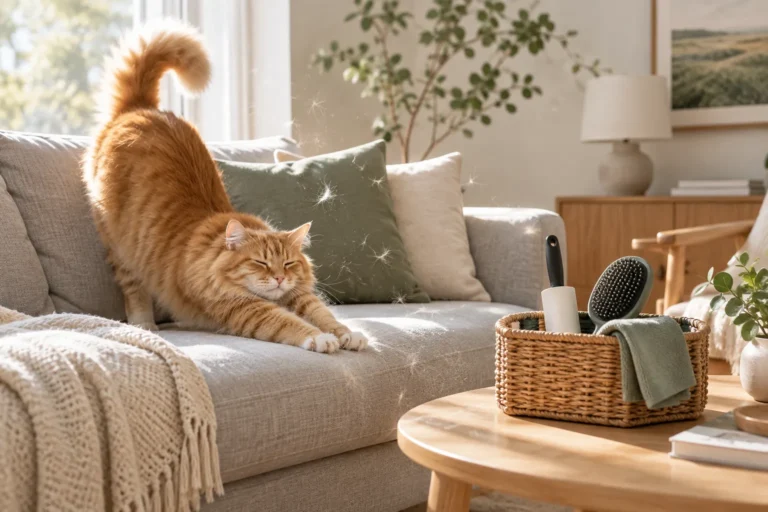
Cats are fastidious groomers. They lick their fur, spreading Fel d 1 from their saliva all over their coat. As the saliva dries, it becomes airborne. Then, as cats naturally shed dead skin cells – what we call dander – those microscopic flakes, coated in Fel d 1, float through your home. They settle on furniture, carpets, clothing, and yes, they're easily inhaled. Even a low-shedding cat can still cause issues if they produce high levels of this particular protein.
Common Allergy Symptoms: Beyond Just Sneezing
Allergic reactions vary from person to person. You might experience the classic sneezing, runny nose, or itchy, watery eyes. But it can be more severe. Some develop skin rashes or hives. Others struggle with coughing, wheezing, or even asthma attacks. It's a spectrum, and understanding your own sensitivity is step one.
What Does "Hypoallergenic" Really Mean for Cats?
The term "hypoallergenic" is often misunderstood. It doesn't mean "allergy-free." Rather, it translates to "less allergenic." For cats, this means breeds that are less likely to trigger an allergic reaction in sensitive individuals.
Fact vs. Fiction: No Cat is 100% Allergen-Free
This is crucial. Every cat, regardless of breed, produces some level of Fel d 1. The goal isn't to find a cat that produces none, but one that produces so little your immune system doesn't react strongly. It's a question of degree, not absence.
Factors Influencing Allergen Production
Several elements contribute to how much Fel d 1 a cat produces and how it impacts your allergies:
- Fel d 1 Levels (Genetics): This is the most significant factor. Some breeds are genetically predisposed to producing less of the problematic protein.
- Shedding Amount: While not the direct cause, less shedding means fewer dander-coated hairs are distributed around your home. It’s a secondary benefit.
- Coat Type (Single vs. Double/Triple Coats): Cats with single coats often shed less than those with dense double or triple coats, potentially reducing allergen spread.
- Sex and Sterilization: Intact male cats typically produce more Fel d 1 than females or neutered males. This often surprises people. Spaying or neutering your cat can actually help reduce allergen levels.
Top Hypoallergenic Cat Breeds for Allergy Sufferers
Ready to meet your potential new best friend? These breeds are often cited as the best cat breeds for allergies due to their lower Fel d 1 production, unique coat types, or reduced shedding. Remember, spending time with a specific cat before adoption is always the smartest move.
Siberian

The Siberian cat often tops lists for allergy sufferers. How can such a long-haired, plush cat be considered "hypoallergenic"? It's a common marvel.
- Key Features: Despite their thick, triple coat, Siberians are renowned for producing significantly less Fel d 1 protein than most breeds. They're also known for their affectionate, playful, and intelligent personalities. A true gentle giant.
- Pros & Cons: Their lower Fel d 1 makes them a fantastic choice for many. However, their gorgeous, long coat does require regular grooming to prevent mats. Think of it as a small price for a large, loving companion.
- Verdict / Best For: Families looking for an affectionate, robust, and playful cat who are committed to a consistent grooming routine. They tolerate children and other pets well.
Sphynx

The Sphynx is perhaps the most visually distinct "hypoallergenic" cat. Their lack of fur is a dead giveaway.
- Key Features: Nearly hairless, the Sphynx boasts a suede-like skin. They are highly energetic, intensely curious, and demand constant attention and interaction. They live for cuddling.
- Pros & Cons: No fur means no fur to trap allergens and shed. A clear advantage. But their unique skin requires frequent bathing to remove oil buildup and protect them from sunburn or extreme cold. This isn't a low-maintenance pet.
- Verdict / Best For: Allergy sufferers willing to embrace and manage specific grooming needs. Ideal for those who want an active, engaging, and utterly devoted companion who will always be by their side.
Balinese

Often called the "long-haired Siamese," the Balinese offers elegance and reduced allergenicity.
- Key Features: With a sleek, medium-length single coat and striking blue eyes, the Balinese is a beautiful cat. They're intelligent, vocal, and incredibly social, often forming strong bonds with their human families.
- Pros & Cons: The Balinese is celebrated for producing less Fel d 1 protein. Their single coat means less shedding compared to many long-haired breeds. Still, their vocal nature isn't for everyone.
- Verdict / Best For: Individuals with mild to moderate allergies who appreciate a talkative, intelligent, and relatively low-shedding long-haired cat. They thrive on interaction.
Russian Blue

The Russian Blue is a classic beauty, adored for its serene demeanor and stunning coat.
- Key Features: Distinguished by its striking blue-grey coat, emerald green eyes, and a perpetually "smiling" expression. They are quiet, gentle, and fiercely loyal to their families, though often shy with strangers.
- Pros & Cons: Russian Blues produce less Fel d 1. Their dense, plush coat effectively traps dander close to the skin, preventing it from becoming airborne. They shed minimally. A huge plus.
- Verdict / Best For: Individuals seeking a quiet, affectionate, and low-maintenance companion with a beautiful, unique coat. They're great for peaceful households.
Devon Rex

The Devon Rex brings elfin charm and an affectionate personality to the table.
- Key Features: Known for their mischievous "pixie" look: large ears, big eyes, and a short, fine, distinctly curly coat. They are incredibly affectionate, highly intelligent, and love to be involved in everything you do.
- Pros & Cons: Their unique coat has very little guard hair, resulting in minimal shedding and reduced dander spread. This makes them a strong contender. However, they demand a lot of attention and playtime; a bored Devon is a destructive Devon.
- Verdict / Best For: Active households where the cat will receive plenty of interaction and play. If you want a cat who's always underfoot, the Devon Rex is for you.
Cornish Rex

Another "Rex" breed, the Cornish Rex shares some traits with its Devon cousin but has its own distinct appeal.
- Key Features: Possesses a unique, wavy, downy-soft fur (often described as velvet) that lacks guard hairs. They are energetic, playful, and forever kittens at heart.
- Pros & Cons: Their very short coat means significantly less shedding and dander. It's a huge benefit for allergy sufferers. But like the Sphynx, they may require occasional baths to prevent oil buildup on their skin, which can cause skin issues or greasiness.
- Verdict / Best For: Those looking for an active, engaging cat with unique fur and who can manage periodic bathing. They're fantastic companions for interactive owners.
Oriental Shorthair

Sleek, sophisticated, and surprisingly suitable for allergy sufferers. That's the Oriental Shorthair.
- Key Features: An elegant cat with a long, slender body, wedge-shaped head, and striking large ears. Their coat is short, fine, and close-lying. They are famously talkative, curious, and deeply devoted to their families.
- Pros & Cons: Minimal shedding and low grooming requirements make them a practical choice. Their short coat means fewer places for allergens to cling. However, their incessant chattering isn't for everyone.
- Verdict / Best For: Families or individuals seeking an intelligent, highly interactive, and easy-to-groom cat who don't mind a conversational companion.
Bengal

The Bengal cat brings a touch of the wild into your home, often with surprising allergy benefits.
- Key Features: Famous for their exotic "wild cat" markings (spots or marbling), short, dense, pelt-like coat, and high energy. They are intelligent, curious, and enjoy water.
- Pros & Cons: Their unique coat type tends to shed less than other breeds, potentially resulting in fewer airborne allergens. However, Bengals require significant mental and physical stimulation; they are not for the faint of heart or lazy owners.
- Verdict / Best For: Experienced cat owners who can provide ample playtime, puzzle toys, and mental enrichment. If you're active and want a cat that can keep up, consider a Bengal.
Javanese

A sophisticated choice for those wanting a medium-length coat without the allergy woes.
- Key Features: The Javanese boasts a medium-length single coat, meaning no insulating undercoat. They are vocal, smart, and athletic, sharing many personality traits with their Siamese relatives.
- Pros & Cons: The single coat results in significantly less shedding than double-coated breeds, which translates to fewer distributed allergens. This makes them a good compromise for those who want a bit more fur.
- Verdict / Best For: Those who enjoy a chatty, intelligent cat and prefer a slightly longer coat that still minimizes allergens.
Colorpoint Shorthair

A vibrant cousin to the Siamese, offering striking looks with allergy-friendly traits.
- Key Features: Close relative of the Siamese and Oriental Shorthair, known for distinctive point coloring in a wider array of shades. They are intelligent, affectionate, and very vocal.
- Pros & Cons: Like their relatives, they're less likely to cause allergic reactions due to low allergen production and minimal shedding from their short coat. Expect plenty of conversations.
- Verdict / Best For: Similar to Siamese and Oriental Shorthairs, for those seeking an intelligent, vocal, and low-allergen cat with specific color patterns.
Ocicat

If you dream of a wild cat but need an indoor, allergy-considerate friend, meet the Ocicat.
- Key Features: With its wild cat appearance and spotted coat, the Ocicat is stunning. They are intelligent, social, and enjoy interactive play. Often described as dog-like in their devotion.
- Pros & Cons: Their fine, short coats generally produce fewer allergens compared to many breeds. However, individual reactions can vary, so a "trial run" is highly recommended.
- Verdict / Best For: Those who love an exotic look and an intelligent, engaging pet. Spend time with an Ocicat before adoption to gauge your personal sensitivity.
Siamese

The iconic Siamese remains a popular choice, even for some allergy sufferers.
- Key Features: Instantly recognizable by their sleek, short coat, vibrant blue eyes, and distinctive point coloring. They are notoriously vocal, highly affectionate, and form incredibly strong bonds with their owners.
- Pros & Cons: Their short coat means less shedding, reducing the amount of dander spread. While they still produce Fel d 1, it's often in lower quantities than many other breeds. Be prepared for their strong, opinionated meow!
- Verdict / Best For: Owners who desire a highly interactive, vocal, and affectionate cat with minimal grooming needs, and who experience milder allergies.
Burmese

A compact package of social charm and dense, allergy-conscious fur.
- Key Features: The Burmese has a short, dense, satin-like coat. They are known for being exceptionally social, playful, and dog-like in their loyalty, often following their owners from room to room.
- Pros & Cons: Their unique coat keeps shedding to a minimum. It's believed that their fur may also trap saliva allergens closer to the skin, preventing them from becoming airborne as readily.
- Verdict / Best For: Individuals seeking a social, active cat where reduced shedding is a primary concern for allergy management. They thrive on companionship.
Managing Cat Allergies: Beyond Breed Choice
Choosing a potentially hypoallergenic cat breed is a significant step, but it's not the only strategy. A multi-faceted approach offers the best chance for a sneeze-free coexistence.
Home Environment Adjustments
- Air Purifiers: Invest in high-efficiency particulate air (HEPA) filters for your home, especially in bedrooms and living areas. They work wonders by removing airborne allergens.
- Regular Cleaning: Vacuum frequently with a HEPA-filter vacuum cleaner. Dust surfaces often. Wash your cat's bedding, your own bedding, and any throws or blankets regularly.
- Designated "Cat-Free" Zones: Establish at least one area, typically your bedroom, where your cat is not allowed. This provides an allergen-reduced sanctuary for you to sleep and recover.
Grooming and Hygiene Practices
- Frequent Bathing for Your Cat: Some cats tolerate baths, and a weekly or bi-weekly bath can significantly reduce allergen load on their fur. Use a cat-specific shampoo.
- Washing Hands After Petting: Simple, but incredibly effective. Avoid touching your face or eyes after interacting with your cat until you've washed your hands thoroughly.
- Regular Brushing: Brush your cat frequently to remove loose fur and dander, ideally by someone in the household who doesn't suffer from allergies, or outdoors.
Consulting an Allergist: Personal Testing and Medical Advice
Don't guess. See an allergist. They can confirm your specific allergens and provide personalized guidance. They might recommend antihistamines, nasal sprays, or even allergy shots (immunotherapy) to build your tolerance.
"Trial Run": Spending Time with a Specific Cat or Breed Before Adoption
This is perhaps the most crucial advice. If possible, spend extended time with the specific breed you're considering. Better yet, spend time with the actual cat you might adopt. Some breeders and shelters allow visits. You might react differently to individual cats within the same breed.
FAQs About Hypoallergenic Cat Breeds
Are there any truly 100% hypoallergenic cats?
No. This is a myth. All cats produce Fel d 1 protein, the primary allergen. "Hypoallergenic" simply means they produce less of it or have coat types that trap it better, making them less likely to trigger a severe reaction.
What is the main protein that causes cat allergies?
The main culprit is the Fel d 1 protein, found in a cat's saliva, skin, and urine.
Do male or female cats cause more allergies?
Typically, intact male cats produce higher levels of Fel d 1 protein than females or neutered males. Spaying or neutering a male cat can help reduce their allergen production.
Can you be allergic to a hairless cat?
Yes, absolutely. Even hairless breeds like the Sphynx produce Fel d 1 protein in their saliva and dander. While they don't shed fur, they still produce the allergen. Their lack of fur may mean less distribution of allergens, but not an absence.
What cat breeds should allergy sufferers avoid?
Generally, breeds known for heavy shedding and dense coats, such as Maine Coons, Persians, and Norwegian Forest Cats, are often more problematic for allergy sufferers due to the sheer volume of dander and fur they distribute. It's not just about the fur, but the high potential for allergen spread.
Finding a cat that won't send your allergies into overdrive requires research, patience, and often, a little bit of trial and error. But with the right breed and smart home management, a life shared with a purring companion is well within reach. Don't let allergies be the end of your feline dreams.