Ever catch yourself wondering what's going on in your cat's mind? You're not alone. Understanding your feline friend's mood is an art that, once mastered, can significantly enhance your connection. Cats have a unique way of communicating—not through words, but through body language. When you learn the 7 ways to read your cat's mood, you open a gateway to better companionship and trust. Let's explore this intriguing feline language together.
Understanding your cat's mood is vital. It’s not just about knowing when they're happy or anxious; it's about creating a loving, supportive environment in which they can thrive. Whether they're flicking their tail, twitching their ears, or giving you that slow blink, each action is a subtle hint into their world. By demystifying these signs, you strengthen the bond you share.
1. The Tail Tells a Tale: Decoding Tail Language
The Happy Tail
A cat's tail can tell you a lot about its mood. Start by observing a tail held high, especially when accompanied by an end that’s slightly bent. This is akin to a human smile, signaling a happy, confident kitty. If your cat approaches with this tail, greet them with a gentle pet—you've got a friend in good spirits!
The Question Mark Tail
Ever noticed your cat’s tail forming a quizzical 'S' or question mark? This usually indicates curiosity or playful intent. Grab a toy and engage them in a fun game to nurture this joyful curiosity.
The Wagging Tail
Contrary to dogs, a wagging cat's tail isn’t necessarily joyous. Instead, it might convey agitation or annoyance. Give your furry friend some personal space to avoid any scratchy misunderstandings.
The Swishing Tail
A swishing tail means someone is in focus mode! Your cat might be eyeing an imaginary prey—or your snack. This is a sign of heightened attention mixed with irritation if obstacles arise, so proceed with caution.
The Tucked Tail
Tailing down and tucked close to the body generally spells fear or anxiety. Our feline friends might feel threatened by something. Offering a cozy, safe retreat can help dissolve that tension.
The Puffed-Up Tail
This ‘bottle-brush’ effect happens when cats are scared or aggressive, fur standing on end as a display of defense. Ensure your cat feels secure and remove stressors to help calm them.
2. Ear-ly Indicators: Listening to Your Cat's Ears
Ears Forward
Forward-facing ears mean your cat is interested in something, maybe you! It indicates a positive curiosity. Grab this chance to engage.
Ears Pricked Up
A sign of perkiness! Your cat’s ears pricking up show they’re alert and attentive. Keep the environment stimulating and full of interesting activities.
Ears Swiveled/Twitching
If your cat's ears are swiveling about, something is capturing their attention—even if you can't hear it. Respect this focus and watch what unfolds.
Ears Back or Flattened
Flattened ears often speak volumes of distress, fear, or aggression. Approach with caution. Identifying the source of discomfort can help alleviate it.
Ears Sideways
Usually relaxed, but be aware. Side-leaning ears might suggest they've noticed something peculiar that piques their curiosity without causing alarm.
3. The Eyes Have It: Observing Your Cat's Gaze
Slow Blinking
Ah, the famous slow blink, also known as the "cat kiss." It’s a sign of trust and contentment, similar to a human nod of approval. Return the favor with your own gentle blink.
Dilated Pupils
Big, wide-open pupils can mean excitement, playfulness, or even fear. Gauge the situation around them to discern which face yours is wearing.
Constricted Pupils
Narrowed pupils could indicate that your cat is either very focused or feeling feisty. Make room to avoid personal space invasions or disturbances.
The "Staring" Game
Direct eye contact can often be perceived as dominance. If your cat’s gaze is fixed on you, they might be testing boundaries. Break eye contact gently to convey you mean no harm.
Avoiding Eye Contact
If your cat is dodging your gaze, this may be a sign of submission or even feeling unwell. Ongoing avoidance warrants a check-in on their health status.
4. Whisker Wisdom: Reading Your Cat's Whiskers
Whiskers Forward
Forward-pointing whiskers often mean your cat is curious or excited. They’re in hunting mode, open to exploring, so facilitate their playful engagements.
Whiskers Relaxed or Neutral
Contentment at its finest! Whiskers in their natural position mean peace in their world. Let them enjoy these tranquil moments.
Whiskers Back or Tucked
A sign of fear or anxiety, tucked whiskers suggest they might feel defensive. Re-evaluate their environment for stressors that could be causing discomfort.
Whiskers Flattened Against the Face
This expresses aggression. You’d be wise to give them space and avoid confrontation until they’re calm.
5. Posture & Position: Deciphering Body Language
The Happy Cat
A kitty lounging around with a relaxed body is a happy cat indeed. Enjoy these moments by subtly engaging them with toys or cuddles.
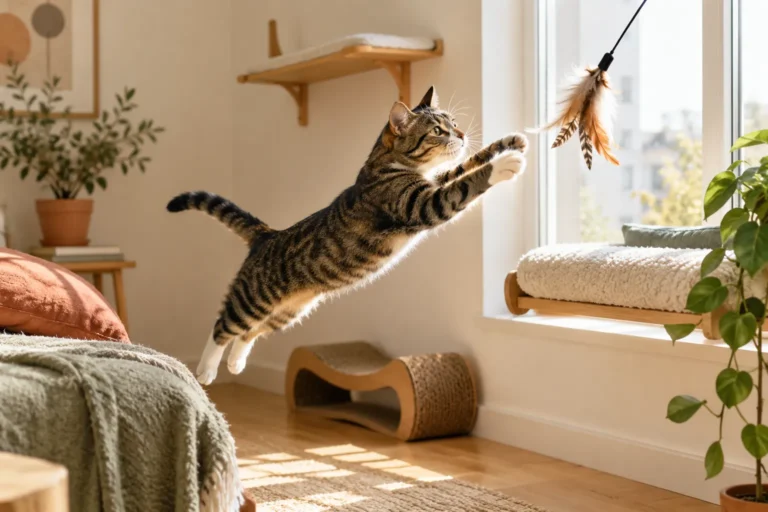
The Playful Pounce
When a cat takes a playful position, bums up, and tail twitching, they signal fun and eagerness. Join in the play!
The Hunkered-Down Cat
When they crouch low, with paws tucked beneath them, they might be feeling stressed or wary. Gentle assurance goes a long way here.
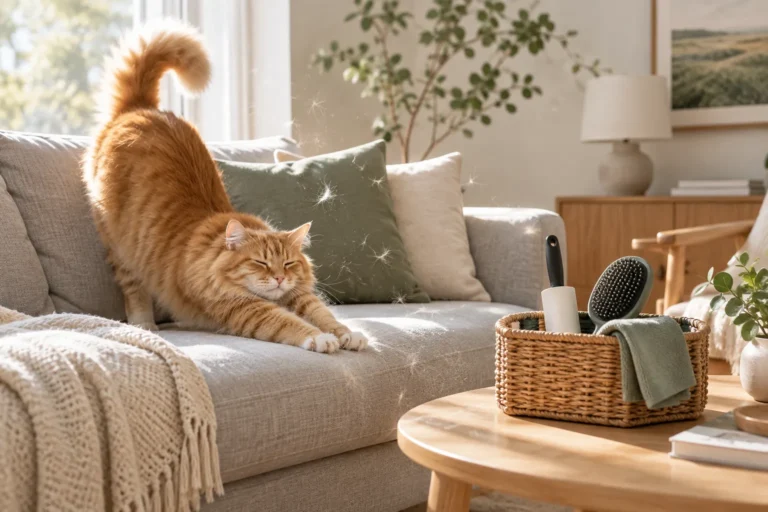
The Stretched-Out Cat
Reach mode! Cats all stretched out are comfortable and secure. Don’t be surprised if they start to purr—this is a zen state for them.
The Rolled-Over Cat
Exposing the belly signifies trust and relaxation, a sign that they feel safe. Respect this honored gesture of vulnerability.
The "Meatloaf" Position
Cats adopting this cozy stance, with legs tucked under like a loaf, are usually relaxed yet ready to spring up if needed.
6. Vocal Clues: Listening to Your Cat's Voice
The Purr
A gentle purr can be healing. Either they're content, or they’re trying to soothe themselves from discomfort.
The Meow
The variance in a cat's meow can mean many things—requesting attention, expressing hunger, or even a simple hello!
The Chirp/Trill
A rare delight, this sound is a warm greeting or expression of happiness. Acknowledge with a positive response.
The Hiss/Growl
These sounds are clear warnings. Give your cat the comfortable space they demand to prevent escalation.
The Yowl
Usually a sign of loneliness or discomfort, or if done persistently, can spell a call for territory. Address any potential stressors.
7. Common Mood Indicators: Putting It All Together
Signs Your Cat is Happy and Content
Look for upright walking, purring, slow blinks, and relaxed whiskers—a symphony of calm and joy.
Signs Your Cat is Playful
Question-mark tails, chirps, and alert ears compose the playful posture, indicating your cat is in an energetic mood.
Signs Your Cat is Stressed or Anxious
Look for dilated eyes, tucked tails, and ears back. Be a soothing presence until your pet feels safe.
Signs Your Cat is Aggressive
Flattened whiskers, puffed tails, and growling are red flags for aggression. Always give space and de-escalate.
Signs Your Cat is in Pain
A crunched body and avoidance are classic. When in doubt, always consult a vet.
8 Environmental Factors: Understanding the Impact of Their Surroundings
How the Environment Affects a Cat's Mood
Subtle changes can have major impacts. Loud noises or new animals affect them deeply.
Creating a Cat-Friendly Home
Incorporate cozy hiding spots, playful areas, and no-climb zones to enhance comfort.
Introducing New Objects or Changes
Do so gradually. Cats value consistency, so respect their adapting period.
The Impact of Other Animals and People
Always introduce new friends—human or otherwise—slowly to avoid stress.
9. Building a Stronger Bond: Practical Tips for Improved Communication
Positive Reinforcement and Rewards
Celebrate moments of cooperation with treats, reinforcing positive behavior.
Spending Quality Time with Your Cat
Play, cuddle, talk. How you spend time with your cat tells them how much you value them.
Creating a Safe and Comfortable Environment
Cozy, stimulation-rich homes make worlds content. It’s the pinnacle of a cat’s happiness.
Recognizing and Responding to Your Cat's Needs
Anticipate and quickly respond to their cues to build trust and understanding.
10. Troubleshooting Common Problems & Behaviors
Understanding Behavioral Changes
Often, sudden changes signify stress or health concerns. Don’t hesitate to consult an expert.
When to Consult a Veterinarian or Cat Behaviorist
Persistent changes or signs of aggression, anxiety, or pain need professional attention to ensure your pet's well-being.
Addressing Anxiety and Stress
Provide toys, perches, and healing time in a calm environment.
Managing Aggression
Patience, ample space, and professional advice may deter long-term issues.
Conclusion: Becoming a Cat Whisperer
By mastering these 7 ways to read your cat's mood, you're on your path to becoming a true cat whisperer. Every tail twitch, blink, or meow brings a richer understanding of your unique friend. It's a continuous learning process fortified by empathy and respect. So, what's your cat telling you today? Engage with them like never before, and feel the incredible bond blossom. Feel free to share your own cat tales or questions—every cat has its story, after all!