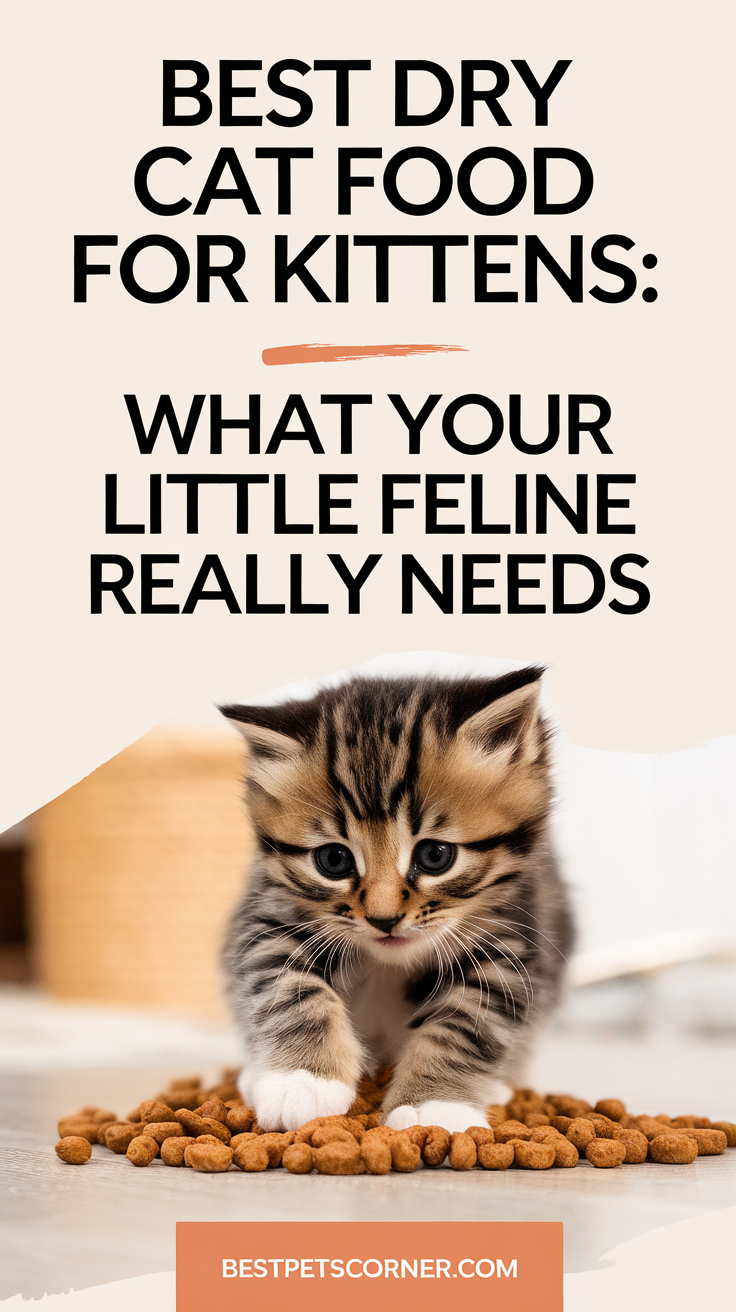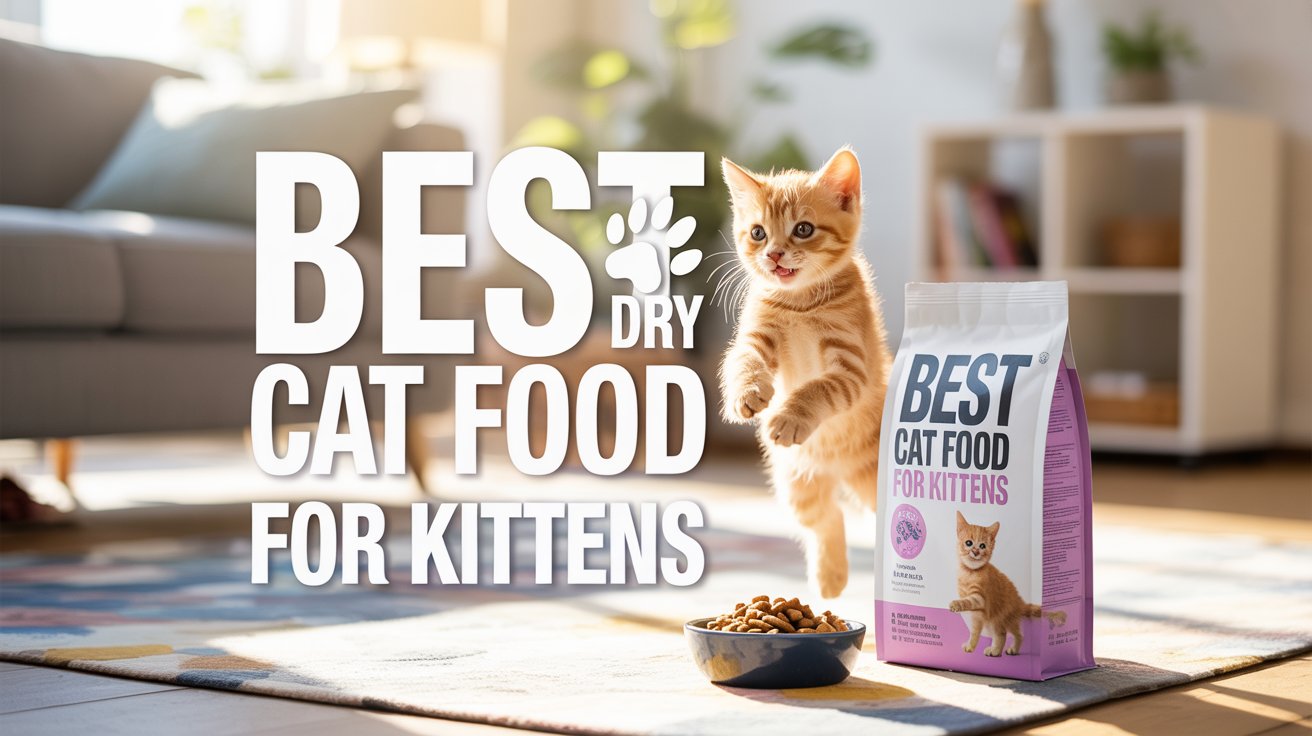

Choosing the best dry cat food for kittens can feel like a minefield. With so many brands claiming to be "complete," "premium," or "veterinarian approved," how do you really know what’s best for your fluffy little explorer? If you're a new kitten parent, or even a seasoned cat lover looking for the right nutritional support for your new arrival, this guide is for you.
Let’s break it all down – clearly, simply, and without all the marketing fluff. Because what your kitten eats in those crucial early months? It matters. Big time.
Why Dry Food for Kittens?
Before diving into the best brands, let’s talk about why you might choose dry food in the first place.
Dry cat food is convenient. You can leave it out during the day without worrying about it spoiling. It’s also generally more affordable and easier to store in bulk. Plus, the crunchy texture helps keep those tiny teeth clean and healthy. Kittens often love the satisfying crunch!
But dry food must be nutritionally complete, or it won’t give your kitten the essential fuel they need to grow strong and stay healthy.
Kittens grow fast—really fast. In fact, they double or even triple their weight in just a few weeks. Their food needs to support rapid growth, brain development, and a playful lifestyle full of zoomies.
So, what should you look for?
What Makes a Dry Cat Food Good for Kittens?
Not all dry foods are created equal. And kittens? They're not just smaller versions of adult cats. They need kitten-specific formulas.
Here’s what to look for on the label:
1. High Protein Content
Protein is the cornerstone of any kitten's diet. Look for real meat—like chicken, turkey, salmon, or lamb—as the first ingredient. Avoid vague terms like "meat meal" or "animal by-products" unless they’re clearly identified (e.g., "chicken meal" is fine).
Your kitten is a carnivore, through and through. They need animal-based protein to thrive.
2. Healthy Fats and Omega-3s
Fats provide energy, and omega-3 fatty acids (especially DHA) support brain and vision development. These fats also help keep the coat soft and shiny—because let’s face it, a sleek kitten is a happy kitten.
3. Essential Vitamins and Minerals
Taurine is non-negotiable. It’s vital for heart and eye health. Calcium and phosphorus are essential for growing bones and teeth. Look for a balanced mix of vitamins A, D, and E, plus minerals like zinc and magnesium.
4. Easily Digestible Carbohydrates
While cats don’t need a high-carb diet, some carbs in the form of rice, oats, or sweet potato can be a good energy source. Just skip the fillers like corn, soy, and wheat, which can irritate sensitive tummies.
5. Smaller Kibble Size
Kittens have tiny mouths! Choose a food with small, easy-to-chew pieces. This also reduces the risk of choking.
Top 7 Picks for the Best Dry Cat Food for Kittens
Let’s cut to the chase. Here are some of the top-rated dry kitten foods available today. Each one ticks the boxes for nutrition, taste, and quality.
1. Royal Canin Kitten Dry Food

Why it stands out: Specifically tailored for kittens aged 4 to 12 months, Royal Canin nails the balance between nutrition and digestibility. It includes a patented mix of antioxidants, including vitamin E, to support the immune system.
Pros:
- Designed for developing digestive systems
- Contains DHA for brain development
- Small kibble size
Cons:
- Pricier than supermarket brands
- Contains some grain (but high quality)
2. Purina ONE Healthy Kitten Formula
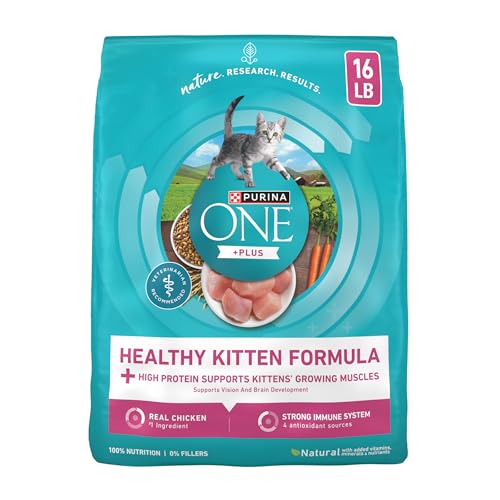
Why it stands out: This is a budget-friendly option that doesn’t compromise on quality. Real chicken is the first ingredient, and it’s enriched with vitamins, minerals, and taurine.
Pros:
- Affordable
- High protein
- No artificial flavours or preservatives
Cons:
- Includes corn gluten meal (not ideal for all kittens)
3. Wellness Complete Health Kitten Formula
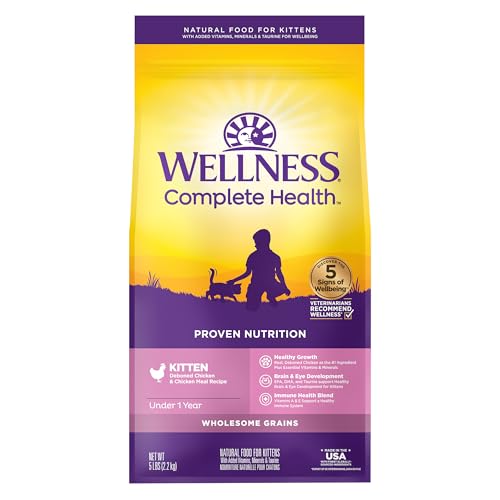
Why it stands out: Grain-free and packed with real deboned chicken, this food focuses on natural ingredients and holistic nutrition.
Pros:
- No meat by-products
- Includes probiotics for digestion
- Grain-free
Cons:
- Slightly higher price point
4. Hill’s Science Diet Kitten Dry Cat Food

Why it stands out: Developed by vets and scientists, Hill’s Science Diet offers a carefully balanced mix of nutrients, especially for bone and immune system development.
Pros:
- Vet-recommended
- DHA from fish oil
- Antioxidants and vitamins C & E
Cons:
- Contains grains (which some owners prefer to avoid)
5. Blue Buffalo Healthy Growth Natural Kitten Food
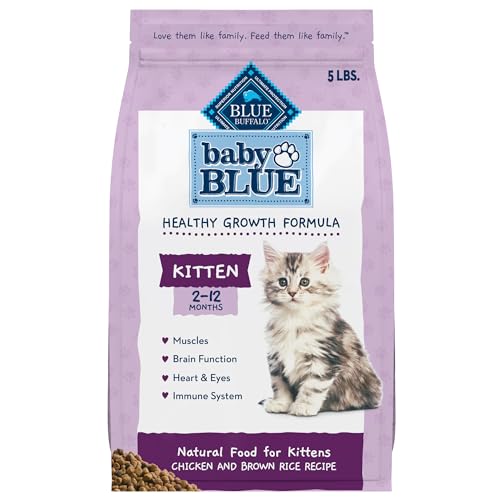
Why it stands out: This food combines real meat with wholesome grains and Blue’s exclusive "LifeSource Bits" – a precise blend of antioxidants, vitamins, and minerals.
Pros:
- No by-product meals
- Includes taurine and DHA
- Enhanced with antioxidants
Cons:
- LifeSource Bits have a different texture some kittens may pick out
6. Instinct Raw Boost Mixers for Kittens
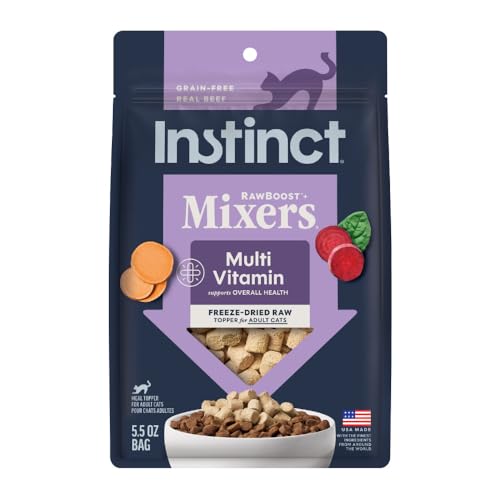
Why it stands out: If you’re curious about raw feeding but want the convenience of dry food, this is a great compromise. It combines high-protein kibble with raw, freeze-dried bits.
Pros:
- Boosts appetite
- High protein and nutrient density
- Grain-free
Cons:
- Not for kittens with sensitive stomachs
7. IAMS Proactive Health Kitten Food
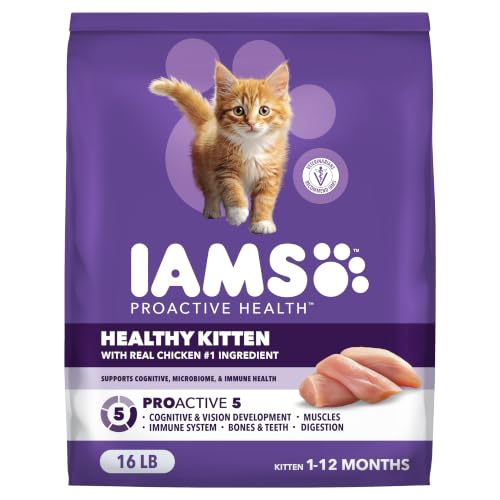
Why it stands out: A solid all-rounder that combines affordability with quality. Includes omega-3 DHA, and the first ingredient is chicken.
Pros:
- Very budget-friendly
- Tailored for strong bones and brain health
- Widely available
Cons:
- Contains fillers like corn
How Much Dry Food Should I Feed My Kitten?
It depends on age, weight, and activity level. But here's a rough guide:
| Age | Feeding Frequency | Amount per day (approx.) |
|---|---|---|
| 6-12 weeks | 4 meals/day | ¼ to ½ cup total |
| 3-6 months | 3 meals/day | ½ to ¾ cup total |
| 6-12 months | 2 meals/day | ¾ to 1 cup total |
Always follow the feeding guidelines on the package, and adjust as needed. Your kitten should be growing steadily but not getting pudgy. A healthy kitten feels firm and energetic—not round and sleepy all the time.
Can I Mix Wet and Dry Food?
Absolutely! In fact, many vets recommend a combination of wet and dry food.
Why? Because wet food boosts hydration (great for urinary health) and often has fewer carbs. Dry food, on the other hand, helps with dental health and is convenient for free-feeding.
Just make sure you’re not overfeeding. If you're combining both, reduce the amount of dry food accordingly.
Watch Out for These Common Mistakes
It’s easy to assume that if the brand is expensive or popular, it must be good. But even top-tier brands can include ingredients that don’t suit all kittens.
Here are a few pitfalls to avoid:
1. Feeding Adult Cat Food Too Early
Adult formulas don’t have the nutrients that kittens need to grow. Stick with kitten food until at least 12 months of age.
2. Ignoring the Ingredient List
If the first ingredient isn’t a named animal protein—like chicken, turkey, or salmon—put it back on the shelf.
3. Overfeeding
Those adorable eyes can be hard to resist. But overfeeding leads to obesity, which can shorten your kitten’s lifespan. Stick to the guide.
4. Switching Foods Too Quickly
If you’re changing brands, do it gradually over a week. Mix a little more of the new food into the old each day. This avoids upset stomachs and diarrhoea.
Final Tips for Happy Mealtimes
- Use a shallow dish: Kittens have small faces and don’t like deep bowls.
- Keep water nearby: Dry food means they’ll need more to drink.
- Stick to a routine: Feed at the same times daily to build trust and reduce stress.
- Monitor their stool: Sounds gross, but it’s one of the best indicators of digestive health. Look for firm, well-formed poos.
So, What’s the Best Dry Cat Food for Kittens?
The truth? The best dry cat food for kittens is the one that fits your kitten’s unique needs, your budget, and your lifestyle.
Every kitten is different. Some prefer grain-free; others do well on a more traditional formula. The key is high-quality protein, balanced nutrients, and a formula designed specifically for kittens.
Take the time to read labels. Pay attention to how your kitten responds—are they energetic, growing well, and happy after meals? Then you’re on the right track.
Because at the end of the day, feeding your kitten right isn’t just about food—it’s about giving them the healthiest, happiest start in life.