The thought of owning a cat in an apartment can feel like a contradiction. Small spaces. Neighbors. Limited outdoor access. But what if I told you that countless cats don't just tolerate apartment living—they absolutely thrive in it? In my years of experience, it’s not the square footage that matters most, but the careful match between feline personality and your living situation. Choosing one of the best cat breeds for apartments isn't about compromise; it’s about discovering a companion perfectly suited to your cozy indoor sanctuary. This isn't just a list. We're going to dismantle the myths, explore the non-negotiable traits of an ideal apartment cat, and then introduce you to 12 incredible breeds ready to share your home, bringing endless purrs and quiet joy to even the smallest urban dwelling.
Can Cats Really Thrive in Apartments?
Absolutely. The idea that cats need vast outdoor territories is largely a romanticized notion. In reality, indoor cats, particularly those in apartment living arrangements, often lead longer, healthier, and safer lives. They're protected from traffic, predators, parasites, and fights with other animals. The key lies in creating an enriching indoor environment and selecting a cat whose natural temperament and energy level align with a compact lifestyle. Forget the old rules. We've seen this time and again: a happy cat in a small home is a testament to mindful ownership, not restrictive boundaries. Your apartment isn’t a limitation; it's a safe, personal kingdom waiting for its feline monarch.
What Makes a Cat Apartment-Friendly? Key Factors to Consider
Before falling for those adorable eyes, consider what truly makes a cat a good fit for small spaces. It's more than just physical size; it's about their entire being. Here are the core characteristics we look for in ideal indoor cats:
Temperament: Calm, Adaptable, Easygoing Personalities
A cat that can roll with the punches, adjust to new sounds, and doesn’t get overly stressed by minor changes is a winner. We’re talking about the easygoing type. They should be generally calm and relaxed, enjoying quiet time as much as interactive play.
Energy Level: Low to Moderate Activity Requirements
Forget the perpetual motion machine. While all cats need play, ideal apartment dwellers don't demand constant, intense physical exertion. A cat content with a few focused play sessions a day and plenty of napping time is perfect. Their activity should be manageable indoors.
Vocalization: Quieter Breeds that Won't Disturb Neighbors
Some breeds are known for their conversational prowess. Charming for some, but perhaps not ideal when you share walls. Quieter cats minimize potential neighborly friction. We want purrs, not opera.
Size: Not Always a Primary Factor, But Adaptability is Key
Surprisingly, size isn't the be-all and end-all. A large, adaptable cat with a calm personality can do better than a small, high-energy one. It’s about how much space they feel they need, which often correlates with their energy rather than their physical dimensions.
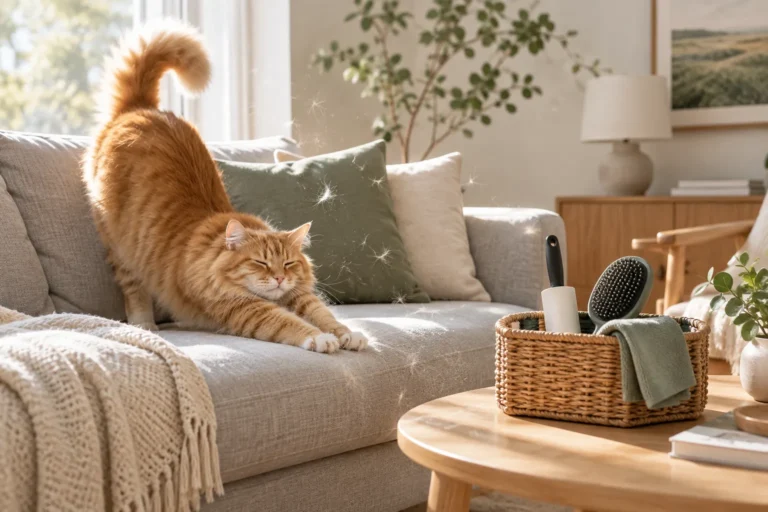
Grooming Needs: Consideration of Shedding and Maintenance in Confined Spaces
More hair means more shedding. In a small apartment, excessive shedding can become a constant chore. Breeds with moderate to low grooming needs are often preferred, though a dedicated owner can manage anything.
Independence vs. Affection: Ability to Tolerate Alone Time but Still Enjoy Companionship
The best apartment cats find a sweet spot. They’re independent enough to entertain themselves during your workday, but deeply affectionate when you’re home. They relish your company without being overly clingy, seeking out social interaction.
Top 12 Best Cat Breeds for Apartments
Alright, let's get to the good stuff. These breeds consistently show up on our list of prime candidates for apartment living. They possess that special blend of temperament, adaptability, and calm disposition that makes them true indoor champions.
1. Ragdoll

Known for their almost puppy-like docility, Ragdolls are renowned for their gentle, floppy nature. They literally go limp with trust when you pick them up. This breed thrives on companionship, craving human interaction above all else. They’re exceptionally affectionate and possess a wonderfully calm energy level.
- Key Features: Gentle, affectionate, docile, "puppy-like" nature. Known for going limp when held. Stunning blue eyes.
- Pros & Cons:
- Pros: Extremely cuddly, low-energy, adapts wonderfully to indoor cats life, great with families and other pets. They just want to be with you.
- Cons: Can be a larger breed, so ensure they have space to stretch. That plush, silky coat? Absolutely gorgeous, but it does demand moderate grooming needs—think a few times a week to keep tangles at bay.
- Verdict / Best For: First-time owners, families with children, or anyone seeking a highly affectionate lap cat that will truly be your shadow.
2. British Shorthair

With their distinct round faces and dense, plush coats, British Shorthairs exude a dignified charm. They are the quintessential calm and collected cat, famous for their laid-back attitude. They won't climb your curtains; they’d rather observe the world from a comfy perch.
- Key Features: Calm, independent, plush coat, round face. Quietly confident.
- Pros & Cons:
- Pros: Very low-energy, generally quiet, highly adaptable, content with lounging and short bursts of play. Minimal grooming needs for a shorthair, making them easy keepers.
- Cons: Can be a bit reserved initially, taking their time to warm up. They need mental stimulation, so don't forget the puzzle toys.
- Verdict / Best For: Individuals seeking an independent yet deeply affectionate companion, and quiet households that appreciate a cat who doesn't demand constant attention.
3. Persian

Persians are the epitome of feline serenity. Their long, luxurious coats and sweet, flat-faced expressions are iconic. These cats are less about wild antics and more about elegant napping. They truly embody the relaxed indoor cats lifestyle.
- Key Features: Long, luxurious coat, sweet personality, distinctive "smushed" face.
- Pros & Cons:
- Pros: Exceptionally low energy level, wonderfully calm, tolerant, and love to nap. Their adaptability to small spaces is legendary.
- Cons: High grooming needs are non-negotiable; daily brushing is a must to prevent matting and hairballs. They can also be prone to certain breed-specific health issues.
- Verdict / Best For: Owners who appreciate a less active, calm cat and are fully committed to daily grooming routines. A true living pillow.
4. Russian Blue

Sleek, elegant, and mysterious, the Russian Blue is a study in understated beauty. Their shimmering silver-blue coats and emerald green eyes are captivating. These cats are known for their gentle and reserved nature, preferring a peaceful environment.
- Key Features: Elegant silver-blue coat, bright green eyes, gentle and reserved. Often described as having a "mute" quality.
- Pros & Cons:
- Pros: Quiet, independent yet deeply affectionate with their chosen humans, adapts well to apartment living. Minimal shedding and often considered hypoallergenic for mild allergy sufferers.
- Cons: Can be a little withdrawn with strangers and might take time to adjust to new faces.
- Verdict / Best For: Single owners or quiet households seeking a loyal, devoted companion, and those with mild cat allergies who dream of a feline friend.
5. Scottish Fold

Those adorable folded ears give the Scottish Fold an undeniably unique and charming look. Their personality is just as endearing: sweet, calm, and incredibly friendly. They enjoy being part of the family without being overly demanding.
- Key Features: Adorable folded ears, sweet personalities, calm. Known for sitting in odd "Buddha" positions.
- Pros & Cons:
- Pros: Low-energy, friendly, highly adaptable, enjoys lounging and observing. Generally gets along well with families, including children and other pets.
- Cons: Unfortunately, they are prone to certain joint issues (osteochondrodysplasia) associated with the folded ear gene. This requires careful breeding and regular veterinary check-ups.
- Verdict / Best For: Families or individuals looking for a unique and gentle cat who is an easy-going companion, provided you are aware of potential health considerations.
6. Maine Coon

Don't let their impressive size fool you. Maine Coons are often called "gentle giants" for a reason. These magnificent felines are incredibly adaptable and possess a friendly, laid-back temperament. They might be large, but they fit into small spaces with surprising grace.
- Key Features: Gentle giants, large size, shaggy coat, intelligent. Possess a "dog-like" friendliness.
- Pros & Cons:
- Pros: Despite their considerable size, they are remarkably adaptable and laid-back. They truly enjoy human company and are excellent with children and other pets. Smart and playful.
- Cons: Their intelligence means they need frequent playtime and mental stimulation. High grooming needs due to their long, dense coat. Can be quite playful and have bursts of higher energy level.
- Verdict / Best For: Families or owners who can provide consistent attention and are prepared for their grooming needs. If you want a large, majestic, but incredibly gentle cat, this is your breed.
7. Burmese

Burmese cats are little bundles of pure affection. They are intensely social, loving nothing more than to be close to their humans. They have a compact size and a wonderfully adaptable nature, making them prime candidates for apartment living.
- Key Features: Affectionate, playful yet gentle, compact size. Known for their striking golden eyes.
- Pros & Cons:
- Pros: Loves human interaction and companionship, highly adaptable to small spaces, and generally possess a quiet demeanor. They're lap magnets.
- Cons: Can get quite lonely and anxious if left alone for extended periods. They truly crave interaction.
- Verdict / Best For: Owners who are home frequently or multi-pet households where the cat will always have company. They need that connection.
8. Sphynx

Unique in appearance, the Sphynx is much more than just a hairless wonder. They are incredibly social, playful, and crave warmth—which they often find snuggled up against their favorite human. Their lack of fur makes them uniquely suited to indoor life, with no shedding to worry about.
- Key Features: Hairless, social, playful, loves warmth. Often described as having a "dog-like" personality.
- Pros & Cons:
- Pros: Highly affectionate, generally less inclined to explore wide outdoor territories, no shedding, and thrives on human attention. They love a good cuddle.
- Cons: Requires special skin care (regular bathing) and needs warm environments, often needing sweaters in cooler weather. They can be very social and demanding of attention.
- Verdict / Best For: Owners who desire a unique, highly interactive cat and are prepared for specific grooming and care routines to keep their skin healthy and them warm.
9. American Shorthair

The American Shorthair is the quintessential "every cat"—but in the best possible way. They are easygoing, low-maintenance, and incredibly adaptable. Their temperament is solid; they’re good-natured and enjoy being part of the family without being overly dramatic.
- Key Features: Easygoing, low-maintenance, versatile. Known for their robust health.
- Pros & Cons:
- Pros: Calm, highly adaptable, good at entertaining themselves, friendly, and possess low grooming needs. A truly well-rounded companion for apartment living.
- Cons: They do need sufficient social interaction from owners to feel truly connected. They're independent, but not hermits.
- Verdict / Best For: Busy individuals, families, or first-time cat owners looking for a predictable, friendly, and generally problem-free feline companion.
10. Birman

With their striking color points, long silky hair, and distinctive white "gloves" and "laces," Birmans are visually stunning. Their personality matches their beauty: they are gentle, affectionate, and possess a lovely, quiet voice. They are truly dedicated indoor cats.
- Key Features: Affectionate, relaxed, long silky hair with white paws. Sweet and gentle.
- Pros & Cons:
- Pros: Friendly, gentle voice, minimal matting compared to other long-haired breeds, and they absolutely love companionship. They're excellent cuddle partners.
- Cons: Can be moderately active and playful, so they need consistent attention and interactive play to stay stimulated.
- Verdict / Best For: Owners seeking an affectionate, moderately active long-haired cat who values a deep bond with their feline friend. Their grooming needs are surprisingly manageable for their coat length.
11. Exotic Shorthair

Imagine a Persian, but with a short, dense, and wonderfully soft coat. That's the Exotic Shorthair. They inherit the calm, serene temperament of their Persian cousins but come with significantly reduced grooming needs. A perfect blend for apartment living.
- Key Features: Short-haired version of the Persian, cuddly teddy bear appearance. Calm and sweet.
- Pros & Cons:
- Pros: Inherently calm, serene, and laid-back. Less grooming required than a Persian, yet still playful and inquisitive. Their adaptability to small spaces is excellent.
- Cons: Can have similar health issues to Persians (like breathing difficulties due to their flat faces). They are less active than some breeds, so ensure they don't become overweight.
- Verdict / Best For: Those who adore the Persian temperament and appearance but prefer a much lower-maintenance coat. An ideal choice for a quiet, loving home.
12. Siamese

The Siamese is perhaps the most famous of the vocal breeds, known for their distinctive voice and striking blue almond-shaped eyes. While they are highly intelligent and bond strongly with their owners, their high energy level and talkative nature mean they require specific considerations for apartment living.
- Key Features: Social, affectionate, vocal, sleek body. Highly intelligent.
- Pros & Cons:
- Pros: Highly intelligent and playful, bonds strongly with owners, and can adapt to small spaces when provided with ample mental and physical stimulation. They're incredibly engaging.
- Cons: Can be very vocal, which might be an issue in apartment buildings with thin walls. Their high energy level means they require a lot of attention and interactive playtime. They thrive on conversation and activity.
- Verdict / Best For: Owners who genuinely desire an interactive, "dog-like" cat and can provide ample stimulation and, critically, tolerate their often-loud vocalizations. Definitely not ideal for those preferring quiet or frequently absent from home.
Breeds Less Suited for Apartment Living
Not every cat is built for the high-rise life. Some breeds possess an energy level and temperament that simply demand more space, stimulation, and perhaps even outdoor access. Breeds like Bengals, Abyssinians, and Siberians are often too energetic, too vocal, and too inclined to climb and explore to truly be happy in a compact apartment living situation. Their natural instincts need more room to roam, and trying to confine them can lead to frustration for both cat and owner. Choosing one of these typically leads to scratched furniture, constant demands for attention, and a generally unhappy feline. Better to respect their nature and opt for a more adaptable breed.
Essential Tips for Raising a Happy Apartment Cat
Choosing the right breed is just the first step. Creating a stimulating and comfortable environment is crucial for any indoor cats. Here's how to ensure your apartment cat thrives:
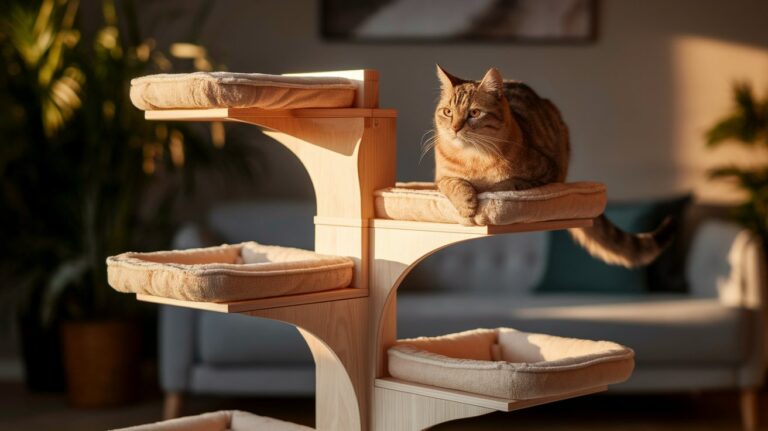
- Vertical Space: Cats love to climb and observe from above. Invest in cat trees, mount shelves, and ensure window perches are accessible. It adds valuable square footage to their world.
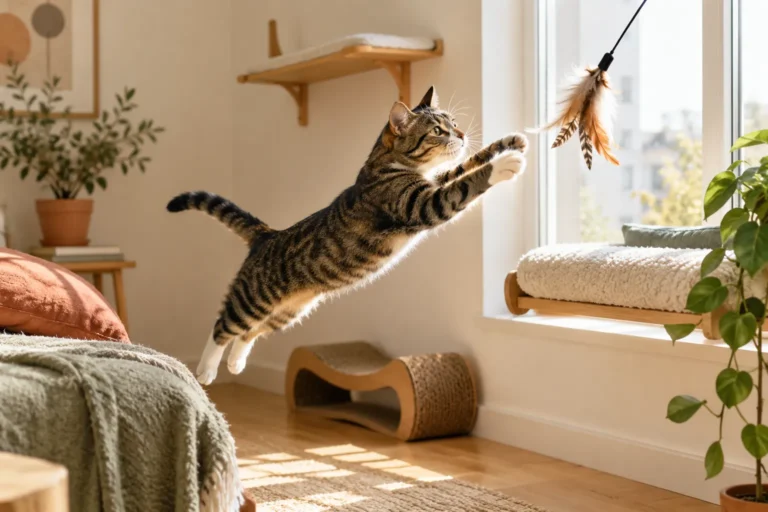
- Enrichment & Play: A variety of cat toys is essential. Think puzzle feeders, interactive wands, laser pointers, and crinkle balls. Dedicate daily interactive playtime to burn off energy and strengthen your bond.
- Litter Box Management: Keep boxes meticulously clean and easily accessible. The general rule is one litter box per cat, plus one extra. Odor control is paramount in small spaces.
- Scratching Solutions: Protect your furniture. Offer multiple scratching posts and pads, both vertical and horizontal. Cats scratch to stretch, mark territory, and shed nail sheaths. Give them appropriate outlets.
- Window Access: A window view is feline television. Ensure safe access to windows where they can watch birds and the world outside. This provides immense mental stimulation.
- Consider Adopting an Older Cat: Older cats are often more mellow, settled, and incredibly adaptable to apartment living. They're past their rambunctious kitten phase and often just want a warm lap.
- Multiple Cats: For busy owners, adopting two compatible cats can provide companionship for each other, especially if they are left alone for extended periods. They become each other's playmates.
Frequently Asked Questions (FAQs)
Q1: Can any cat live in an apartment?
While any cat can physically live in an apartment, not every cat will truly thrive. Success depends heavily on the cat's temperament, energy level, and how much enrichment and attention you can provide. Some breeds are simply better suited to small spaces than others.
Q2: Is it cruel to keep a cat indoors?
No, it is not cruel. In fact, for many cats, especially those living in urban or suburban environments, being an indoor cat significantly increases their lifespan and overall safety. They are protected from traffic, predators, diseases, and fights. The key is to provide a stimulating and loving indoor environment.
Q3: How do I stop my cat from scratching furniture in an apartment?
Provide appropriate scratching posts and surfaces (both vertical and horizontal) from day one. Make them more appealing than your furniture by placing them in prominent areas and using catnip. If they scratch furniture, gently redirect them to a post. Never punish, always redirect.
Q4: Do apartment cats get bored easily?
They can, yes, if their environment isn't enriching. Apartment living requires owners to be proactive about providing mental and physical stimulation. Regular playtime, puzzle toys, vertical climbing spaces, and window access are all crucial for preventing boredom.
Q5: What's the easiest cat to take care of in an apartment?
Breeds like the British Shorthair, American Shorthair, and Ragdoll are often considered among the easiest due to their calm temperament, moderate grooming needs, and adaptability to indoor life. They require less intense management of their energy level.
Q6: Do apartment cats need more attention?
In a way, yes. Because they don't have the outdoor world to explore, their human companions become their primary source of interaction and stimulation. They need consistent playtime, affection, and mental engagement to prevent boredom and ensure a healthy bond.