
Picture this: It's Sunday evening, and instead of frantically cleaning up another "accident" on your favorite rug, you're watching your adorable puppy confidently walk to the door and give you that unmistakable "I need to go outside" look. Sound too good to be true? I'm here to tell you it's absolutely possible with the right approach and one focused weekend.
When I brought home my Golden Retriever puppy, Max, I thought puppy potty training would take months of frustration and countless rolls of paper towels. But after implementing this intensive weekend method, we went from multiple daily accidents to a 90% success rate in just three days. The secret isn't magic – it's consistency, timing, and understanding your puppy's natural instincts.
Key Takeaways
- Timing is everything – Puppies need to go out every 1-2 hours, plus immediately after eating, drinking, sleeping, and playing
- Consistency creates success – Using the same door, command words, and reward system helps your puppy learn faster
- Positive reinforcement works better than punishment – Celebrating successes builds confidence and accelerates learning
- Accidents are learning opportunities – How you handle mistakes determines your puppy's long-term success
- The weekend intensive method can achieve 80-90% success rates when followed correctly
Understanding Your Puppy's Potty Training Needs
Before diving into the weekend method, let's talk about what's actually happening in your puppy's developing mind and body. Puppy potty training isn't just about teaching rules – it's about working with your dog's natural biology and instincts.
The Science Behind Puppy Bladder Control
Puppies under 12 weeks old have very limited bladder control. As a general rule, a puppy can "hold it" for about one hour per month of age, plus one hour. So a 2-month-old puppy can typically hold their bladder for about 3 hours maximum – and that's when they're sleeping!
During active periods, this time shrinks dramatically. Your puppy will need to eliminate:
- Every 15-30 minutes during active play
- Immediately after eating (within 5-15 minutes)
- Right after waking up from any nap
- After drinking water (within 10-20 minutes)
- When excited (visitors, new experiences)
Reading Your Puppy's Signals 🐕
Successful puppy potty training starts with becoming fluent in your dog's body language. Watch for these telltale signs:
Urgent signals:
- Circling or spinning in place
- Sniffing the ground intensely
- Whining or pacing by the door
- Sudden stopping during play to sniff
Subtle early warnings:
- Restlessness after being calm
- Moving toward previously soiled areas
- Looking toward the door or exit
- Slight whining or attention-seeking behavior
The Weekend Intensive Puppy Potty Training Method
Here's where the magic happens. This method requires your complete dedication for 48-72 hours, but the results speak for themselves. I've personally used this with three different puppies, and each time we achieved remarkable progress.
Friday Evening: Setting the Stage
6:00 PM - Preparation Phase
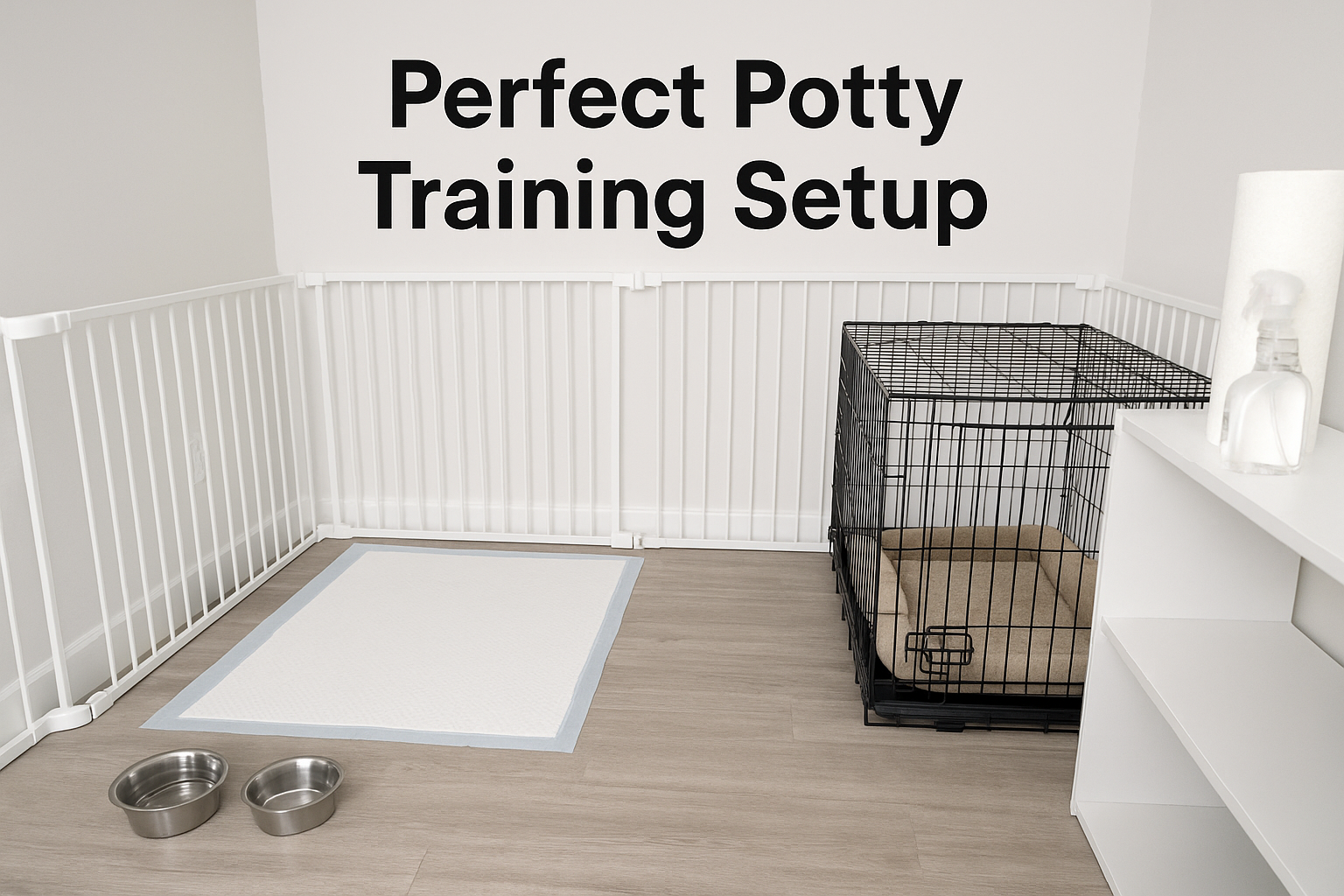
Start by removing all rugs, carpets, and fabric items from your main living areas. Your puppy needs to understand that elimination only happens in specific locations. Set up baby gates to confine your puppy to easily cleanable areas like the kitchen or a tiled room.
7:00 PM - Establish the Routine
Take your puppy outside using the same door you'll use all weekend. Choose a specific spot in your yard – ideally within 10 feet of the door. This will become their designated potty area.
8:00 PM - First Success Session
Stay outside with your puppy until they eliminate. The moment they start going, say your chosen command word ("potty," "go pee," or "hurry up" work well). When they finish, immediately give enthusiastic praise and a high-value treat.
Saturday: The Intensive Training Day
This is where puppy potty training becomes a full-time job, but trust me – it's worth every minute.
6:00 AM - Morning Routine
- Immediately take your puppy outside (carry them if necessary to prevent accidents)
- Go to the designated spot
- Wait patiently – no playing or distractions
- Use your command word
- Reward success immediately
- Come inside for breakfast
Every 30-60 Minutes All Day:
- Set a timer to remind yourself
- Take your puppy out using the same routine
- Stay outside until they go (this might take 10-15 minutes sometimes)
- Always reward success
Meal Schedule:
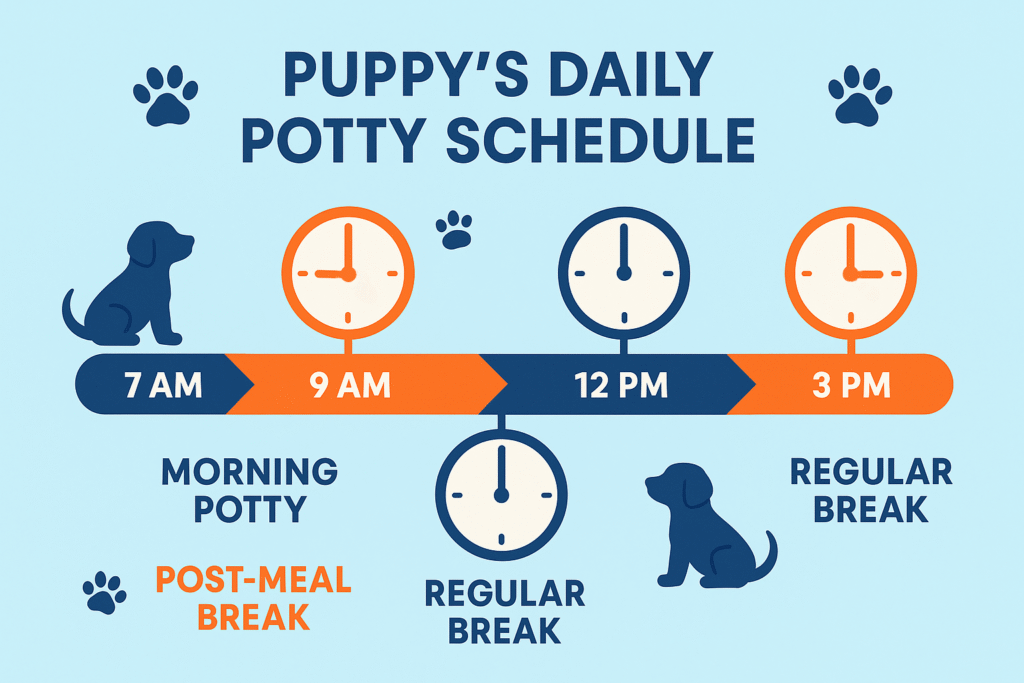
- Feed at consistent times (7 AM, 12 PM, 5 PM work well)
- Take outside immediately after eating
- Remove water 2 hours before bedtime
Sunday: Reinforcing Success
By Sunday, you should start seeing your puppy naturally moving toward the door when they need to go. This is a huge breakthrough moment!
Continue the intensive schedule, but begin watching for your puppy's natural signals. When you see them heading toward the door or showing elimination signals, immediately say "Good potty!" and rush outside.
Creating the Perfect Potty Training Environment
Your environment plays a crucial role in puppy potty training success. Let me share some game-changing setup tips I've learned through experience.
Indoor Setup Essentials
Confinement Strategy:
Use baby gates to create a puppy-safe zone that includes:
- Easy-to-clean flooring (tile, linoleum, or hardwood)
- Their bed or crate
- Food and water bowls
- A few safe toys
Eliminate Temptation:
Remove anything that might absorb odors or feel similar to grass under your puppy's paws. This includes:
- Bath mats and rugs
- Fabric pet beds (use waterproof options initially)
- Anything with previous accident odors
Outdoor Success Zone
Location Matters:
Choose a spot that's:
- Easily accessible from your main door
- Protected from distractions (away from busy walkways)
- Consistent in surface texture
- Well-drained and easy to clean
Weather Considerations:
Don't let rain or cold derail your progress! Invest in:
- A covered area or patio umbrella
- Puppy rain gear if needed
- Adequate lighting for early morning and evening trips
The Power of Positive Reinforcement in Puppy Potty Training
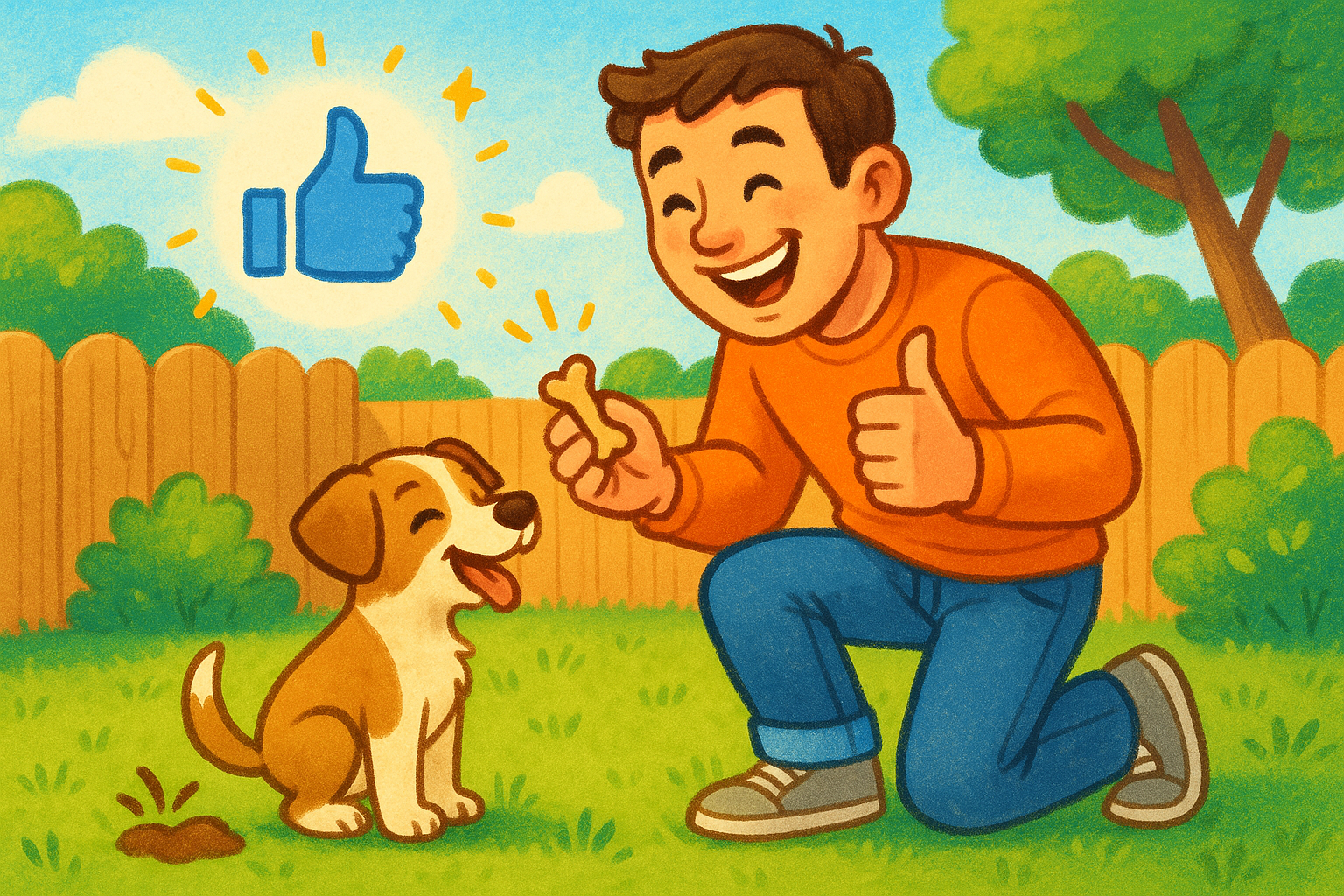
Here's something that completely changed my approach: punishment doesn't work in puppy potty training. In fact, it often makes things worse by creating anxiety around elimination.
What Works: Celebration and Rewards
Immediate Rewards:
The moment your puppy finishes eliminating outside, you have a 3-second window to create a positive association. Use:
- High-value treats (small pieces of chicken, cheese, or special training treats)
- Enthusiastic verbal praise ("Good potty! Yes!")
- Brief play session or petting
Consistency in Rewards:
Every single successful outdoor elimination should be rewarded for the first month. This isn't spoiling – it's building a strong foundation.
What Doesn't Work: Common Mistakes
Never do these things:
- Rub your puppy's nose in accidents
- Yell or scold after the fact
- Use punishment-based methods
- Clean accidents with ammonia-based cleaners (they smell like urine to dogs)
Handling Accidents Like a Pro
Even with perfect technique, accidents will happen. How you handle them determines whether they become learning opportunities or setbacks.
The 3-Second Rule
If you catch your puppy in the act of eliminating indoors, you have about 3 seconds to redirect them. Clap your hands once (not loudly enough to scare them) and immediately carry them outside to finish.
Clean-Up Protocol
Step 1: Clean thoroughly with an enzymatic cleaner specifically designed for pet messes
Step 2: Allow the area to air dry completely
Step 3: Restrict access to that area for 24-48 hours if possible
Step 4: Consider your schedule – was this accident preventable with better timing?
Advanced Puppy Potty Training Techniques
Once you've mastered the basics, these advanced strategies will fine-tune your success.
Teaching the "Ask" Behavior
Week 2 Goal: Your puppy should start indicating when they need to go out.
Bell Training Method:
- Hang a bell by your door at your puppy's nose height
- Ring the bell every time you take them out
- Gently guide their paw or nose to ring it
- Always immediately go outside after the bell rings
- Within 1-2 weeks, most puppies start ringing independently
Natural Signal Recognition:
Watch for and reward these natural "asking" behaviors:
- Sitting by the door
- Pacing between you and the door
- Gentle whining while looking at the door
- Pawing at the door
Crate Training Integration
Puppy potty training becomes much easier when combined with proper crate training. Dogs naturally avoid soiling their sleeping area.
Crate Schedule:
- Use the crate for 1-2 hour periods during the day
- Always take your puppy outside immediately after crate time
- Never use the crate as punishment
- Ensure the crate is appropriately sized (large enough to stand and turn around, but not so large they can eliminate in one corner)
Troubleshooting Common Puppy Potty Training Challenges
Challenge 1: Frequent Accidents Despite Consistent Schedule
Possible Causes:
- Medical issues (UTI, parasites)
- Crate or confinement area too large
- Inconsistent family member participation
- Previous accident odors not fully eliminated
Solutions:
- Vet check to rule out medical issues
- Tighten supervision and reduce freedom temporarily
- Family meeting to ensure everyone follows the same protocol
- Professional-grade enzymatic cleaning of all previous accident sites
Challenge 2: Puppy Only Goes Inside
This usually indicates anxiety about outdoor elimination or insufficient positive associations with the outdoor potty area.
Solutions:
- Spend more time outside without pressure
- Bring a small piece of soiled paper towel outside to create scent association
- Feed meals outside near the potty area
- Make outdoor time more enjoyable with brief play sessions after successful elimination
Challenge 3: Regression After Initial Success
Don't panic! This is normal and usually temporary.
Common Triggers:
- Changes in routine or schedule
- New family members or pets
- Moving to a new home
- Growth spurts affecting bladder control
Recovery Strategy:
- Return to the intensive supervision schedule for 3-5 days
- Increase reward value and frequency
- Rule out medical issues if regression is sudden
- Stay patient and consistent
Creating Long-Term Success Beyond the Weekend

The weekend intensive method gives you a fantastic foundation, but puppy potty training success requires ongoing consistency for several months.
Month 1: Building Habits
Weeks 2-4 Goals:
- Maintain consistent schedule with gradual increase in time between outings
- Introduce asking behaviors (bell, sitting by door)
- Expand supervised freedom gradually
- Achieve 85-90% success rate
Month 2-3: Increasing Independence
Expanding Freedom:
- Allow access to one additional room per week
- Reduce supervision gradually while maintaining schedule
- Watch for signs your puppy can "hold it" longer
- Begin trusting them for short periods alone
Month 4-6: Full House Privileges
Most puppies achieve reliable house training between 4-6 months old. Signs you're ready for full house privileges:
- No accidents for 2+ weeks
- Consistently asking to go outside
- Able to hold bladder for age-appropriate periods
- No anxiety or marking behaviors
Special Considerations for Different Breeds
Not all puppies are created equal when it comes to puppy potty training. Understanding your breed's characteristics can help you adjust your approach.
Small Breed Considerations
Challenges:
- Smaller bladders mean more frequent breaks
- May be intimidated by large outdoor spaces
- Often have stronger preferences for indoor elimination
Adaptations:
- Increase potty break frequency by 25-30%
- Create a smaller, more enclosed outdoor potty area
- Consider indoor grass patches as a transitional tool
- Use extra-high-value rewards to motivate
Large Breed Considerations
Advantages:
- Generally develop bladder control faster
- Less likely to be overwhelmed by outdoor spaces
- Often naturally prefer outdoor elimination
Watch For:
- Rapid growth spurts that may temporarily affect control
- Higher exercise needs that impact elimination schedule
- May need larger outdoor potty areas
Intelligent Breeds (Border Collies, Poodles, German Shepherds)
These breeds often excel at puppy potty training but may also overthink the process.
Strategies:
- Introduce bell training or other "asking" methods earlier
- Use varied reward types to prevent boredom
- Be extra consistent with commands and timing
- May benefit from slightly more complex training methods
The Role of Diet in Puppy Potty Training Success
What goes in directly affects what comes out – and when. Your puppy's diet plays a crucial role in puppy potty training success.
Feeding Schedule Impact
Consistent Meal Times Create Predictable Elimination:
- Feed at the same times daily (7 AM, 12 PM, 5 PM works well)
- Remove food bowls after 20 minutes
- Eliminate free-feeding completely during training
- Track elimination timing to identify your puppy's personal schedule
Food Quality Matters
High-Quality Food Benefits:
- More digestible = less waste and more predictable timing
- Fewer fillers = less frequent elimination
- Better nutrition = healthier digestive system
- Consistent ingredients = consistent results
Foods That Can Complicate Training:
- High-fat treats (can cause loose stools)
- New foods introduced suddenly
- Low-quality kibble with lots of fillers
- Human food scraps
Building a Support System for Success
Puppy potty training is much easier when everyone in your household is on the same page.
Family Training Protocol
Essential Family Meeting Topics:
- Command words – Everyone must use the same phrases
- Reward timing – Immediate rewards only
- Accident response – No punishment, immediate cleanup
- Schedule responsibility – Who takes which potty breaks
- Progress tracking – How to record successes and accidents
Professional Support Options
When to Consider Professional Help:
- Multiple setbacks after initial progress
- Aggressive or fearful reactions to outdoor elimination
- Medical issues affecting training
- Complex household situations (multiple pets, irregular schedules)
Types of Professional Support:
- Certified dog trainers specializing in puppy training
- Veterinary behaviorists for complex cases
- Puppy kindergarten classes for socialization and basic training
- Online training programs for additional guidance
Measuring Your Puppy Potty Training Progress
Success in puppy potty training isn't just about zero accidents – it's about building reliable, long-term habits.
Week-by-Week Success Metrics
Week 1 Goals:
- 60-70% success rate
- Puppy shows awareness of elimination (pausing, looking around)
- At least 3-4 successful outdoor eliminations daily
- No fear or anxiety about going outside
Week 2-3 Goals:
- 75-85% success rate
- Beginning to show "asking" behaviors
- Longer periods between accidents
- Successful elimination in various weather conditions
Week 4+ Goals:
- 90%+ success rate
- Reliable asking behaviors
- Can hold bladder for age-appropriate periods
- No anxiety around elimination process
Red Flags That Need Attention
Contact Your Veterinarian If:
- Sudden increase in accidents after progress
- Blood in urine or stool
- Straining to eliminate
- Excessive drinking or urination
- Signs of pain during elimination
Reassess Your Training If:
- No improvement after 2 weeks of consistent training
- Puppy seems fearful of outdoor elimination
- Family members aren't following the protocol consistently
- Environmental factors keep changing
Conclusion: Your Journey to Puppy Potty Training Success
The weekend intensive method for puppy potty training isn't just about quick results – it's about building a foundation of trust, communication, and success that will benefit both you and your puppy for years to come.
Remember, every puppy is unique, and while this method has worked wonders for countless families (including my own), you may need to adjust the timeline or techniques based on your specific situation. The key principles remain the same: consistency, positive reinforcement, and patience.
Your Next Steps:
- Choose your training weekend and clear your schedule completely
- Gather supplies: enzymatic cleaner, high-value treats, timer, cleaning supplies
- Prep your space by removing carpets and setting up baby gates
- Commit to the process – consistency is everything
- Track your progress and celebrate small wins along the way
The investment of one focused weekend can save you months of frustration and countless hours of cleanup. More importantly, it sets the stage for a lifetime of clear communication and mutual respect with your furry family member.
Your puppy wants to succeed just as much as you want them to. By providing clear expectations, consistent opportunities, and enthusiastic rewards for success, you're setting both of you up for a happy, accident-free future together.
Start this weekend – your future self (and your carpets) will thank you!