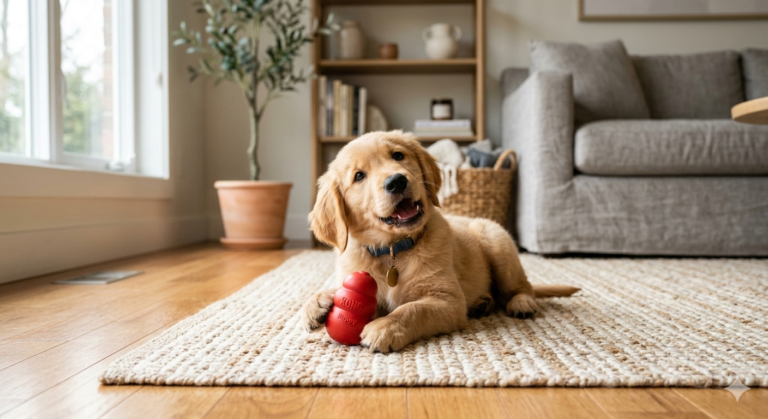
Mastering canine communication is the fastest way to build a lifelong bond with your pet. This guide to 14 Obedience Training Lessons With Videos! For Dogs of Every Size provides a structured roadmap to transform your dog from a distracted pup into a reliable, well-behaved companion.
By following this curriculum, you will learn how to implement positive reinforcement techniques that work for every breed and temperament. From basic commands to safety-critical maneuvers, these lessons offer the technical depth and visual support needed to navigate the complexities of modern dog ownership.
Preparation: What You Need Before Lesson 1
Before diving into the 14 Obedience Training Lessons With Videos! For Dogs of Every Size, you must gather the right tools. Success in training relies heavily on your ability to motivate your dog and manage their physical movements safely. High-quality equipment ensures that communication remains clear and that neither you nor your dog becomes frustrated.
For effective sessions, you will need high-value treats (such as small pieces of boiled chicken or freeze-dried liver) to reward correct behaviors. You should also consider clicker training, which uses a distinct sound to "mark" the exact moment your dog performs a command correctly. If you are unsure which gear is right for your specific breed, check out our guide on the [best dog training collars](https://yourdomain.com/best-dog-training-collars/) to ensure a comfortable and secure fit.
Furthermore, remember that training is a component of a larger lifestyle. Proper canine communication begins with a dog that feels safe and understood. Integrating these lessons with a [socializing your dog](https://yourdomain.com/socializing-your-dog/) program will help your pet remain calm and focused even when training in public spaces or around other animals.
The 14 Essential Obedience Lessons
Lesson 1: The Watch Me (Focus)
The foundation of all training is attention. If your dog isn’t looking at you, they aren't learning. "Watch Me" teaches your dog to make eye contact on command. This is especially important for toy breeds vs. giant breeds, as smaller dogs can easily become distracted by things happening at their eye level on the ground, while large dogs may be scanning the horizon.
Lesson 2: Sit
Sitting is the "please" of the dog world. For most dogs, this is achieved by "luring"—moving a treat from their nose back toward their ears until their bottom hits the floor. When teaching 14 Obedience Training Lessons With Videos! For Dogs of Every Size, remember that giant breeds may take longer to fold their hindquarters into a sit, so patience is key.
Lesson 3: Stay
The "Stay" command requires the "Three Ds": Duration, Distance, and Distraction. Your dog must remain in position until you give a release word. This lesson is often paired with boundary training. For dogs that struggle with restlessness, practicing this in a controlled environment is easier; you can find more tips in our [crate training guide](https://yourdomain.com/crate-training-guide/) to help them learn to settle.
Lesson 4: Lie Down
Lying down is a submissive, relaxed posture. Some large breeds with deep chests, like Greyhounds, may find a flat "Down" uncomfortable on hard surfaces, so try practicing on a rug. Use a lure to pull the treat from the dog's nose straight down to the floor between their paws.
Lesson 5: Come (Recall)
This is the most important safety command you will ever teach. A reliable recall can save your dog’s life. Start in a low-distraction environment and always reward heavily when they return to you. Never call your dog to you for something they dislike (like a bath), as this creates negative associations.
Lesson 6: Heel (Loose Leash Walking)
Walking on a loose leash makes outings enjoyable. The goal is for the dog to walk beside you without putting leash pressure on the collar. For giant breeds, this is a safety necessity to prevent being pulled over, while for small dogs, it prevents tracheal injury from pulling.
Lesson 7: Leave It
"Leave It" is an impulse control exercise. It tells your dog not to investigate or pick up an object. This is vital for behavioral modification when dealing with dogs that are overly interested in "street treats" or dangerous wildlife.
Lesson 8: Drop It
While "Leave It" is preventative, "Drop It" is the solution for when your dog already has something in their mouth. Using positive reinforcement, trade the item they have for a treat of higher value.
Lesson 5: Stay (At Doors and Curbs)
Unlike "Stay," which is a long-term command, "Wait" is a momentary pause. It prevents your dog from bolting out of the car or through the front door. It is a fundamental part of the 14 Obedience Training Lessons With Videos! For Dogs of Every Size because it establishes clear boundaries within the home.
Lesson 10: Off
This command is used to stop jumping. Whether your dog is jumping on guests or the kitchen counter, "Off" tells them to put all four paws back on the floor. For large dogs, this prevents physical injury to people, and for small dogs, it prevents them from being accidentally stepped on.
Lesson 11: Go to Place
"Place" training involves teaching your dog to go to a specific mat or bed and stay there until released. This is an excellent tool for distraction training, especially when the doorbell rings or during family mealtimes.
Lesson 12: Stand
The "Stand" command is often overlooked but is incredibly useful for vet visits and grooming sessions. It allows a professional to examine your dog’s underside and legs without the dog constantly trying to sit or lie down.
Lesson 13: Be Gentle
Teaching a dog to take treats softly is essential, particularly for large breeds with powerful jaws. By saying "Be Gentle" and only releasing the treat when the dog stops nipping or lunging, you teach them mouth control.
Lesson 14: The Emergency Stop
The "Emergency Stop" is a high-level command where the dog drops into a "Down" or "Sit" instantly, even at a distance. This is the final milestone in the 14 Obedience Training Lessons With Videos! For Dogs of Every Size, providing a fail-safe way to stop a dog that is running toward danger.
Training for Every Size: Breed-Specific Adjustments
When working through the 14 Obedience Training Lessons With Videos! For Dogs of Every Size, you must adjust your physical approach based on your dog's stature.
Small Dogs (Toy Breeds):
Small dogs often feel intimidated when an owner looms over them. To build trust, try kneeling or sitting on the floor during the initial stages of training. Additionally, use tiny, pea-sized treats to avoid overfeeding, as small breeds gain weight quickly.
Large and Giant Breeds:
For large dogs, physical strength is a factor. You should never rely on "muscling" a large dog into a position. Instead, focus on precise luring and rewarding. Because giant breeds grow quickly, their spatial awareness may be lagging; be patient if they seem clumsy when learning the "Heel" or "Place" commands.
Troubleshooting Common Progress Plateaus
It is common for dogs to hit a "plateau" where they seem to forget their training. This often happens during distraction training when the environment becomes too stimulating. If your dog stops responding:
1. Lower the Difficulty: Move back to a quiet room and reinforce the basics.
2. Increase Reward Value: If kibble isn't working, move to high-value treats.
3. Check for Stress: A stressed dog cannot learn. Look for signs like lip licking, yawning, or pinned-back ears.
Consistency is the most important factor. Even five minutes of training a day can yield better results than one hour-long session once a week.
Conclusion: Building a Better Bond
Completing these 14 Obedience Training Lessons With Videos! For Dogs of Every Size is a significant achievement for both you and your pet. By investing time in behavioral modification and structured learning, you aren't just teaching "tricks"—you are developing a sophisticated level of canine communication that ensures safety and mutual respect.
Training is a lifelong journey. Once you have mastered these fourteen lessons, continue to challenge your dog with new environments and advanced tasks. A well-trained dog is a happy dog, and the bond you create through this process will last a lifetime.