

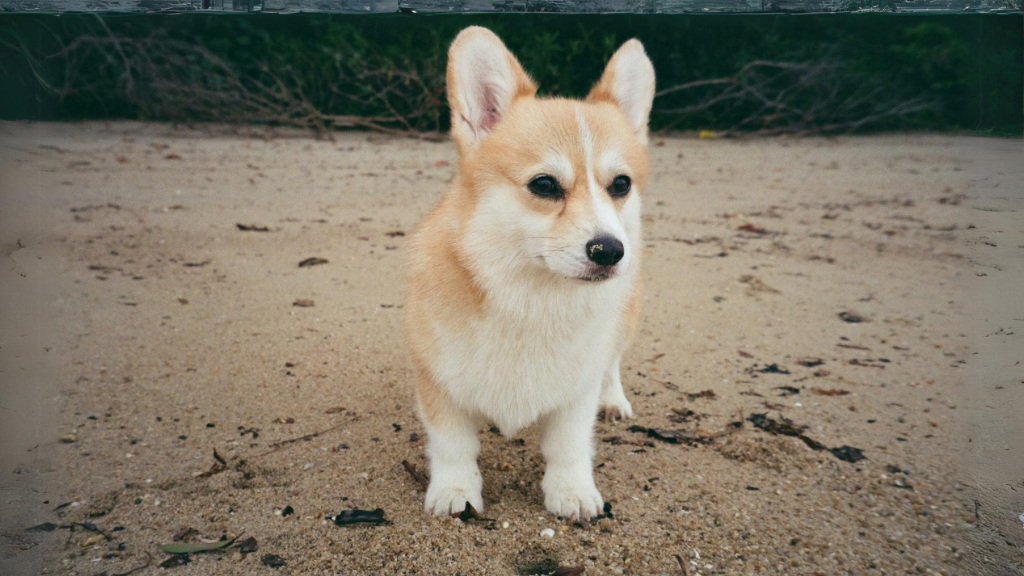

Bringing home a corgi pup is an exciting time. But corgi pups, like all puppies, need training and discipline to learn good manners and become great companions.
Disciplining your corgi puppy can be rewarding, but it requires persistence, patience, and lots of encouragement. In this guide, I'll walk you through my top strategies to properly discipline your energetic little corgi. Let's get started!
Set Clear Rules and Boundaries for Your Corgi Puppy
The first key to disciplining a corgi puppy is establishing clear rules and boundaries from day one. This will help your pup understand what behaviors are expected of them.
Corgis are smart cookies, but they still need structure and guidance. Decide what rules are most important for your household. Things like:
- No jumping on furniture or people
- No nipping or biting people
- No counter surfing in the kitchen
- No pottying inside the house
- No excessive barking or whining
You'll also want to set boundaries for where your puppy can and can't go in your home, at least until they earn full house privileges. Limit access to non-puppy proofed rooms and keep them nearby when not crated.
Be consistent in enforcing the house rules. Corgi pups thrive when they know what to expect.
Key Tip: Use baby gates, exercise pens, crates, and leashes to prevent opportunity for bad behaviors until your corgi is fully trained. Management prevents so many issues down the road!
Reward Your Corgi Puppy for Good Behavior
The most effective dog training method is positive reinforcement. This simply means rewarding your pup when they demonstrate behaviors you want them to repeat.
Have tasty treats ready at all times when working with your corgi puppy. Small soft treats work best so you can give them frequently. Every time your pup does something good like sitting politely, coming when called, going potty outside, or leaving the cat alone, be sure to give him a treat immediately afterwards along with verbal praise like "Good boy!"
You're literally showing your corgi that good things happen when he chooses desirable behaviors. He'll repeat those behaviors more often to get more rewards.
Other rewards like playtime with toys, petting, or just happy praise can also motivate your pup. Find what your corgi responds best to and use that for training.
Pro Tip: Carry a treat pouch on your belt loop filled with your pup's favorite goodies. This makes rewarding easier since you'll always have treats within reach.
Redirect Your Puppy's Energy into Appropriate Activities
Lively corgi pups have an abundance of energy and curiosity. If that energy gets channeled into naughty pursuits like chewing shoes, nipping fingers, or digging up your yard, you've got a discipline problem on your hands!
The solution is redirecting your puppy's exuberance into more constructive activities.
For example, if your corgi pup starts nibbling your hands, quickly offer him a rope toy or rubber chew bone instead. Praise him when he starts chewing the right object.
You can also redirect energy with short training or play sessions. A few minutes of practicing commands or playing fetch can settle a worked-up puppy.
Having a variety of chew toys available will satisfy your puppy's needs to chew and play. Rotate toys to keep things interesting too.
Key Takeaway: Redirecting your corgi's energy prevents boredom and destructive behaviors. A tired puppy is a well-behaved puppy!
Use Clear Corrections for Unwanted Behaviors
No matter how cute your corgi puppy is, you'll inevitably need to correct unwanted behaviors at some point. The key is using clear, effective corrections that inhibit the bad behavior without intimidating your pup.
For mild behaviors, a simple "Eh-eh" or "No" is often enough. Say it firmly and immediately when your pup is doing something wrong. Then redirect them to a better activity and reward that.
At times you may need stronger discouragement like a squirt from a spray bottle or loud noise from a pet training clicker. Only use physical punishment like leash corrections as a last resort and very judiciously.
If your puppy is doing something dangerous or destructive like chewing electrical cords, a swift smack on the snout with a rolled up newspaper along with a firm "No!" gets the point across.
But in most cases, just interrupting the behavior with a verbal correction then showing your pup what you want them to do instead is sufficient. Be consistent so they learn which behaviors earn rewards vs corrections.
Important Note: Never discipline your puppy after the fact. Corrections must occur in that immediate moment to be understood and effective.
Withstand Those Nips and Bites from Your Pup
One of the biggest puppy discipline challenges with corgis is curbing their natural tendency to nip and bite in play. Puppies explore objects the same way they play with littermates - with their mouths!
While it's normal behavior, you need to teach your corgi puppy that human skin and clothing are off limits when it comes to biting and mouthing.
Start discouraging nippy behavior by loudly yelping "Ouch!" whenever those sharp little teeth make contact with your skin. Then offer a chew toy instead and praise your puppy when they take that to mouth instead.
If the nipping continues, stand up tall, cross your arms, and turn away completely. Ignore your puppy for 30 seconds or so. This removes the attention and play they are seeking.
Be patient and consistent - puppies can take weeks or months to learn to curb those bites. But stay the course and your corgi will learn to play nice.
Helpful Tip: Keep plush chew toys in every room so you can easily redirect the biting to an appropriate chew object.
Maintain Realistic Expectations for Your Corgi's Age
Corgi puppies, like all puppies, have short attention spans. They can't yet control their impulses 100% of the time. Expecting too much too soon will only lead to frustration for both you and your pup.
Keep training sessions under 5 minutes for young pups. Make sure your commands are simple and clear. Be patient when your pup gets distracted or makes mistakes - just gently guide them back to the task at hand.
Puppies need near constant supervision unless safely confined. Limit unstructured free time until your corgi has mastered basic obedience skills and house manners. It's not fair to correct your puppy for getting into trouble if you haven't puppy-proofed the environment.
Accidents will happen during house training. Messes, chewing mishaps, and lapses in manners are all normal parts of raising a puppy. Stay positive! Your corgi will get there.
Key Idea: Focus on one or two training goals at a time. Go at your puppy's pace and keep sessions short, fun, and rewarding. Their abilities will grow with time.
Establish a Regular Routine for Your Corgi Puppy
Corgis thrive when they have a predictable routine. Setup a schedule that provides enough physical and mental stimulation to prevent boredom and frustration in your pup.
Aim to follow the same general schedule each day for feeding, potty breaks, training sessions, play time, walks, and crated rest periods.
Puppies need 18-20 hours of sleep per day, so be sure to provide ample downtime in a crate or confined area. Overtired puppies get into trouble.
Adhering to a schedule provides stability while also meeting your corgi puppy's needs for activity and rest. Routine is the foundation of good puppy behavior.
Pro Tip: Use an alarm or phone reminders to help stick to your puppy's schedule until the routine becomes habit. Consistency is key!
Seek Professional Help for Serious Behavior Issues
While normal puppy antics like nipping, accidents, and chewing can be resolved through training, some behavior issues require intervention from experts.
If your corgi puppy displays aggression, constant crying or barking, or other dysfunctional behaviors, contact a reputable dog trainer or veterinary behaviorist right away.
With professional guidance, many behavioral issues can be corrected or managed while your puppy is still young and impressions are forming. Don't wait to seek help.
Look for a certified trainer who uses positive reinforcement techniques. Punishment-based methods will likely worsen behavior problems in sensitive corgi pups.
Important Reminder: Never attempt to "discipline" truly aggressive or fearful behavior on your own. This will only increase the issue. Work with pros to modify serious problems.
Embrace Patience and Consistency in All Your Puppy Training
If there's one takeaway point on disciplining a corgi puppy, it's that patience and consistency are key!
Corgi puppies are energetic, intelligent dogs who aim to please their owners. But their training is still a work in progress. Expect some bumps along the road to a well-trained adult corgi.
Stick with positive reinforcement training, even when progress seems slow. Avoid punishment-based shortcuts that will damage your bond with your pup.
Be as consistent as possible in rewarding and correcting behaviors. This constant feedback teaches puppies which behaviors make you happy versus upset.
And remember - you're dealing with a baby! Keep your expectations realistic for your puppy's age and attention abilities. Their training is a journey.
If you invest the time and patience into positively disciplining your corgi puppy, you'll be rewarded with a loyal, well-mannered companion for years to come. The adorable puppy stage passes quickly. Make the most of this special training time with your corgi!
With a mix of prevention, redirection, clear corrections, rewards for good behavior, realistic expectations, patience and consistency, you can raise your energetic corgi puppy to be a social, polite member of your family.


