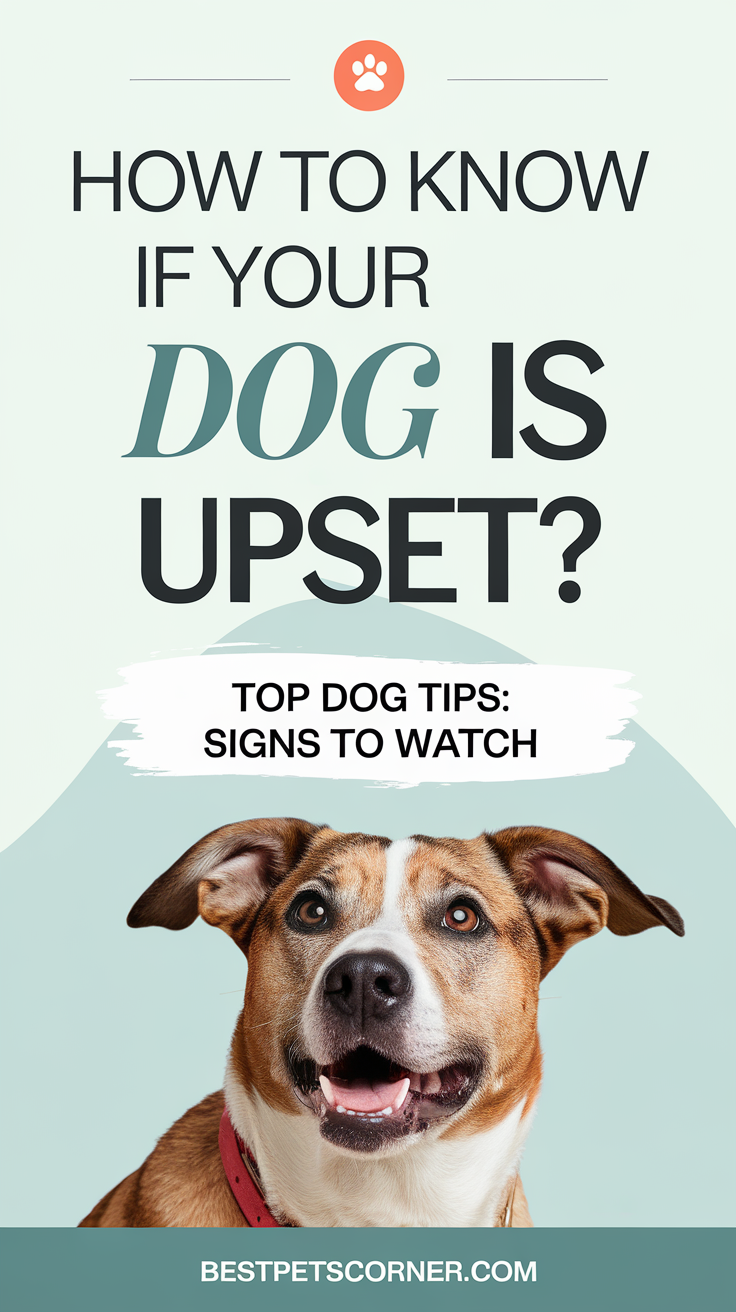

As a dog lover, understanding your pup's emotional world is not only heartwarming, but crucial in building a strong bond. So how to know if your dog is upset? It's simpler than it seems. With a little bit of observation, knowledge, and a dash of empathy, you can decipher what your furry friend might be feeling. Let’s delve into this fascinating realm starting with why your dog’s feelings matter.
Understanding Canine Emotions: Why Your Dog's Feelings Matter
Dogs are more like humans than we often give them credit for. Recognizing how they express their emotions can be a game-changer in ensuring their happiness and well-being. Canine emotions influence their behavior, health, and quality of life. Imagine the impact of living with constant anxiety or sadness for your dog. Not only would it be distressing, but it could also lead to health issues. Understanding these emotional cues can prevent negative developmental and behavioral patterns. So, why not start paying a bit more attention to your pooch’s state of mind?
Recognizing the Subtle Signs: Body Language as Your Dog's Voice
Canine communication is rich and fascinating, and dogs often "talk" to us through their body language. Observe these telltale signs to decode what your dog is trying to communicate.
Tail Wags: What They Really Mean
A wagging tail is not always a sign of joy. If your dog's tail is wagging slowly, it might indicate uncertainty. A high-held tail suggests excitement, while a tucked tail signifies fear or submission. Become a tail detective and see what might be going on.
Ears: Gauging Your Dog's Mood
Those floppy or pointy ears can say a lot. Forward-facing ears signal curiosity, while ears laid back can mean your dog is feeling nervous or scared. Keep an eye on those ears, they’re more expressive than you think.
Eyes: A Window to Your Dog's Distress
Eye contact, while affectionate in humans, can be threatening to dogs. Avoidance of direct eye contact or a sidelong glance might indicate your dog is trying to avoid confrontation or is feeling submissive. If their eyes seem tense or the whites are showing, it could be a sign of stress or fear.
Mouth and Lips: Beyond the Bark
Lips pulled back with teeth showing is a classic sign of an unhappy dog, but lip licking or yawn can also be a stress signal. Are they panting when it's not hot? That could be a stress indicator too. Watch their lips and mouth movements.
Body Posture: Standing Tall or Curled Up?
A tense, rigid body could indicate fear or anxiety, whereas a more relaxed posture often suggests comfort and ease. If your furry friend appears hunched or crouched, it's usually a sign of feeling unsafe or submitive.
Vocalization: Beyond Happy Barks
Excessive barking or whining often signals distress. Low growls might indicate discomfort, whereas a sharp, high-pitched bark could mean your dog is anxious or excited. Vocal clues should be considered with other signs to paint a complete picture.
Common Causes of Canine Upset: What Triggers Your Dog's Displeasure?
Dogs can be upset by numerous triggers, much like humans. Let’s look at some common causes.
Changes in Routine and Environment
Dogs thrive on routine. A sudden change in their environment or daily schedule can upset them. Whether it’s a house move or just rearranging furniture, dogs can become anxious with change.
Lack of Stimulation and Boredom
Mental and physical stimulation is essential. A lack of activity can lead to boredom, which may cause destructive or withdrawn behavior. Keep them engaged with toys, games, and walks.
Fear and Anxiety Triggers
Loud noises like thunder or fireworks, unfamiliar people, or new environments can induce anxiety. Identify and reduce exposure to these triggers where possible.
Pain and Discomfort
A dog might act out if they're in pain or discomfort. If they suddenly seem upset and uncomfortable without evident reason, a vet visit might be due. Sprains, infections, or internal issues should be ruled out.
Social Isolation and Loneliness
Dogs are social creatures; isolation can lead to sadness. If left alone for too long, they might get upset. Ensure they have enough interaction with you or other animals.
Frustration and Unmet Needs
Your dog might be upset if their needs aren’t met, whether that’s food, water, or even affection. Monitor their daily routine to ensure you’re addressing their basic and emotional needs.
Practical Strategies to Soothe an Upset Dog
So, your dog’s upset, now what? Here’s how to help ease their distress.
Providing a Safe and Calm Space
Create a serene environment with a cozy bed or a quiet corner. Having their own safe space allows them to retreat when feeling uneasy.
Gentle Reassurance and Comfort
Calm speech and gentle petting can work wonders. A reassuring tone and a soft touch can convey your love and care, helping ease their distress.
Distraction Techniques
What better way to keep them happy than distraction? Engage them in play or present a favorite toy. It’ll help divert their anxiety and channel their energy positively.
Positive Reinforcement for Calm Behavior
Rewards for calm and relaxed behavior can promote future tranquility. Reinforce calmness with treats, praises, or a favorite activity.
When to Seek Professional Help: Vet and Trainer Collaboration
Sometimes, professional help is needed. Suppose your dog’s condition doesn’t improve. In that case, it might be time to consult a veterinarian or a dog behaviorist for practical solutions and support.
Preventing Upset: Building a Resilient and Happy Dog
An ounce of prevention can make your dog’s life happier and more fulfilled.
Establishing a Predictable Routine
Dogs cherish consistency. Set fixed feeding, exercise, and rest times to promote a sense of stability.
Ensuring Adequate Physical and Mental Exercise
Incorporate fun activities and plenty of exercises into your dog’s routine. Mental games and varied physical challenges will keep them stimulated and content.
Socialization and Positive Exposure
Expose your dog to different environments, people, and pets. Proper socialization helps them adapt to new situations without anxiety.
Understanding and Respecting Your Dog's Boundaries
Every dog has their limits. Respect their personal space and avoid overwhelming them. Watch for signs of distress or discomfort and back off when necessary.
Building a Strong Bond Based on Trust
Strengthen your relationship with love, respect, and understanding. Establishing trust will ensure they feel safe and supported by your side.
When to Worry: Signs That Require Immediate Veterinary Attention
While most emotional signs are manageable at home, some require urgent vet care. Watch for persistent upset that disrupts eating, drinking, or sleeping. Severe withdrawal, aggression, or self-harm signals the need for immediate professional help.
Frequently Asked Questions About Upset Dogs
Why is my dog upset?
Several factors could be at play: changes, lack of exercise, fear, or pain. Identifying the root cause is crucial for resolution.
How can I calm an upset dog?
Provide a safe space, use gentle reassurance, engage them in activities, and positively reinforce calm behavior.
When should I contact a vet or trainer?
Contact a professional if the issue persists beyond a few days or significantly impacts your dog's daily functions.
Conclusion: Nurturing Your Dog's Emotional Well-being
To answer the question of how to know if your dog is upset, always trust your instincts and observations. Dogs communicate in various ways, and being attentive to their needs can make a world of difference. Nurturing a dog's emotional well-being is a journey of understanding, patience, and love. Always trust the process, keep observing, and most importantly, cherish every moment with your delightful companion.