

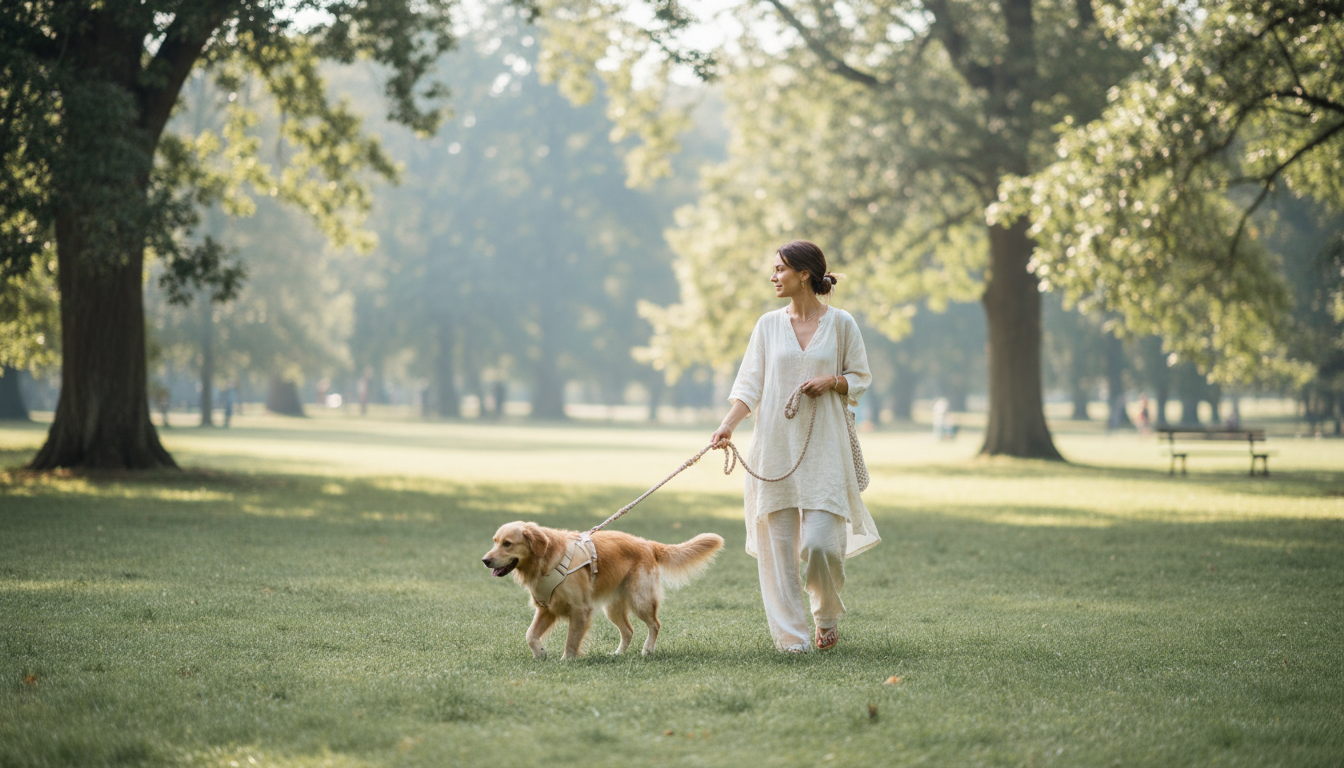

Imagine the sun is setting, casting a golden glow over your favorite tree-lined path. You have your favorite iced latte in one hand and your pup’s leash in the other.
There is no pulling, no frantic lunging, and no sore shoulders. Just a perfectly synced rhythm between you and your best friend. This is loose-leash walking, and it is the ultimate lifestyle upgrade for any dog parent.
Turning your daily walks into a mindful, curated experience starts with the right foundation. Whether you have a brand-new puppy or a rescue who thinks they’re a sled dog, I promise you a peaceful walk is within reach.
Let’s transform those chaotic tug-of-war sessions into a stylish, intentional stroll that feels more like a sanctuary and less like a workout.
The Curated Kit: Essential Gear for Your Walk
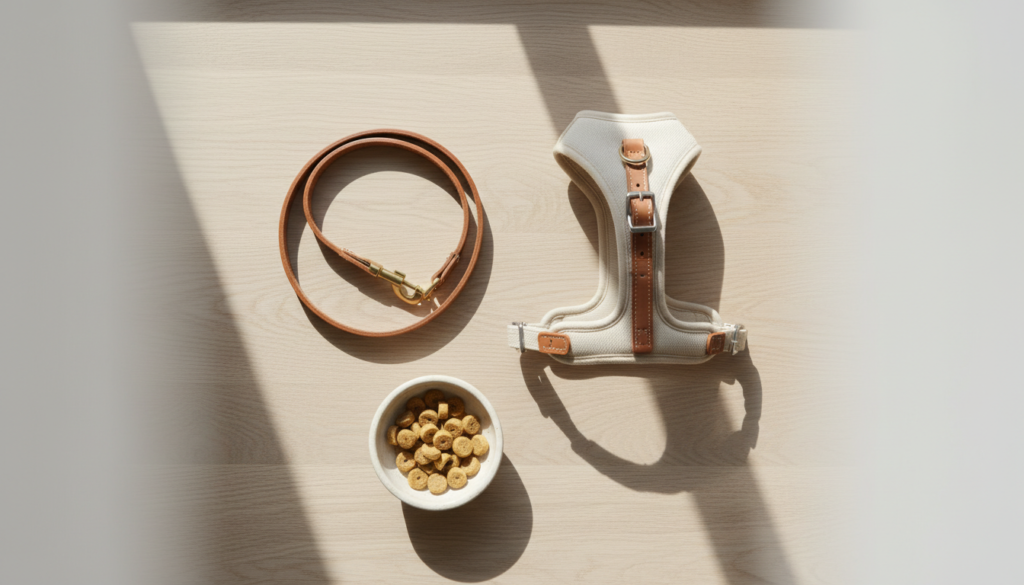
Before we dive into the "how-to," we need to talk about your equipment. The right gear isn’t just about function; it’s about creating a safe, stylish environment where your dog can learn.
The 6-Foot Standard Leash
Skip the retractable options. While they might seem like they offer freedom, they actually teach your dog that pulling is rewarded with more space. A classic 6-foot leash in a chic leather or durable climbing rope provides the perfect balance of safety and freedom.
The Front-Hook Harness
If your pup is a natural puller, a front-hook harness is your new best friend. Unlike back-clip harnesses that can actually trigger a dog's "opposition reflex" (making them pull harder!), a front-clip option like the PetSafe Easy Walk Harness gently steers them back toward you.
High-Value Treats and a Chic Pouch
Training is all about positive reinforcement. To keep your dog’s focus on you amid the squirrels and smells, you need the "good stuff." Think boiled chicken, small cubes of cheese, or freeze-dried liver. Store them in a neutral-toned treat pouch that clips to your belt for effortless access.
Aesthetic Hack: The Training Wardrobe
When you look good, you feel good—and that energy translates to your dog! Opt for a crossbody bag to keep your hands free for treats and leash handling. A pair of stylish, grip-focused sneakers will keep you grounded if your pup gets a sudden burst of excitement.
Setting the Stage for Success
We often expect our dogs to behave perfectly in the most distracting environments first. Instead, let’s create a distraction-free environment to build their confidence.
Tire Them Out First
A dog with "zoomies" is not a dog ready to learn. Before you clip on the leash, have a quick 10-minute play session in the yard or a game of fetch. Burning off that initial frantic energy makes the mental work of leash training much easier for them to process.
The Power of the "Look at Me" Cue
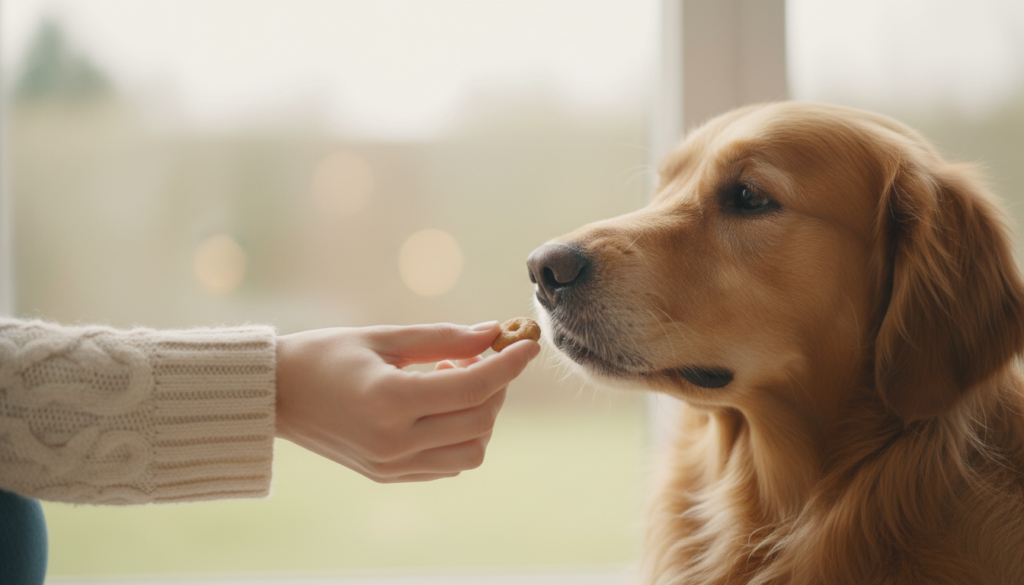
The foundation of a beautiful walk is engagement. Before you even head out the door, practice a "Look at Me" or "Focus" cue. When your dog makes eye contact, reward them with a high-value treat. You want them to realize that checking in with you is the most rewarding thing they can do.
Indoor Practice
Your hallway is the perfect "runway" for initial training. Without the smell of the neighbor's cat or the sound of cars, your dog can truly focus on your body language. Walk back and forth in your living room, rewarding them every time the leash stays slack.

A Step-by-Step Guide to the Perfect Walk
Ready to take it to the pavement? Follow these steps to build a routine that feels intentional and calm.
Step 1: Gear Introduction
Don't just put the harness on and leave. Let your dog sniff the Easy Walk Harness or Blue-9 Balance Harness. Give them a treat while they wear it around the house for five minutes. We want them to associate their gear with "good things happening."
Step 2: The First Steps Outside
Start on your porch or driveway. Stand still. As soon as your dog looks back at you or moves toward your side, click or say "Yes!" and reward. We are teaching them that the "sweet spot" is right next to your hip.
Step 3: Mastering the Follow-Through
Begin walking slowly. If the leash goes taut, stop. Don't yank; just become an anchor. As soon as they move back toward you to create slack, give a reward and continue. This is the beginning of loose-leash walking.
Step 4: Adding Distractions
Once they are a pro in the driveway, move to the sidewalk. Use clicker training to mark the exact moment they choose to ignore a distraction (like a rustling leaf) and look at you instead.
Aesthetic Pro-Tip: The "Scent Break"
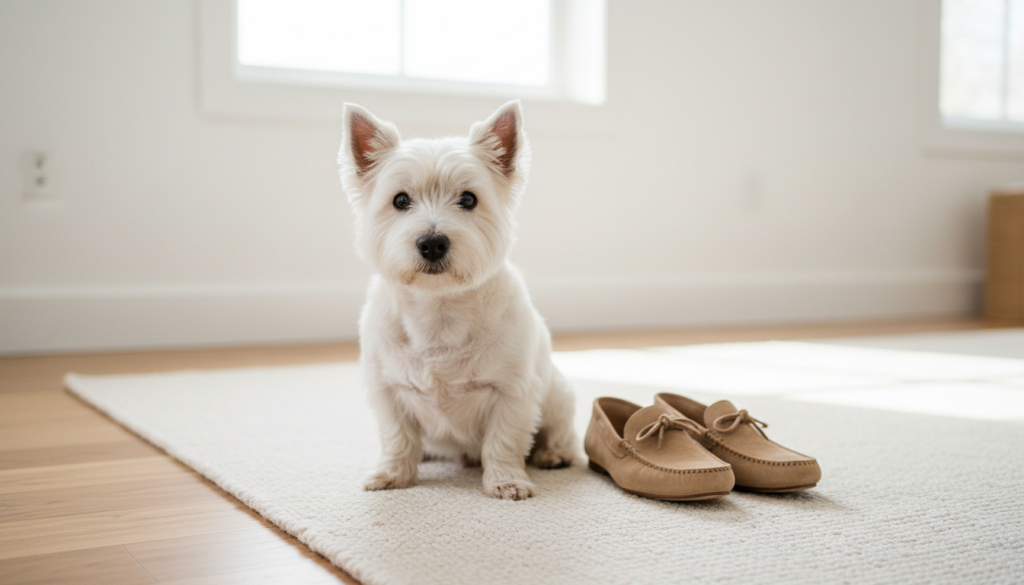
A truly curated lifestyle includes balance. Allow your dog "sniff breaks" where they are allowed to explore. Use a cue like "Go sniff!" to let them know it’s their time. This mental stimulation tires them out more than a mile of walking ever could!
Troubleshooting Common Walking Woes
Even the most aesthetic walks have their hiccups. Here is how to handle them with grace.
If Your Dog Pulls Like a Freight Train
Try the "Be a Tree" technique. When the leash tightens, stop immediately. Do not move forward. The walk only continues when the leash is loose. This teaches them that pulling is a "stop button," while a loose leash is a "go button."
If They Lunge at Other Dogs
This is often called leash reactivity. Use the "Look at That" (LAT) game. When they see another dog at a distance, reward them before they react. You are changing their emotional response from "I must bark" to "Oh, a dog! I should look at my human for a treat."
If They "Freeze" and Won't Move
Sometimes the world is overwhelming for a rescue dog or a puppy. Don't pull them. Instead, crouch down, offer a high-value reward, and encourage them with a cheerful voice. Make the movement feel like a fun game rather than a chore.
Training for Every Life Stage
The way we approach the walk changes as our pups grow.
- Puppies: Keep it short! Their attention spans are tiny. Aim for 5-minute sessions that are high-energy and super rewarding.
- Adolescent Dogs: This is the "rebellious" phase. Stay consistent with your positive reinforcement and don't be afraid to go back to basics if they start testing boundaries.
- Senior Dogs: Keep it gentle. Use a Head halter / Gentle Leader if they have orthopedic issues and need a lighter touch. Focus more on the sensory experience and less on the distance.
Pro-Tip: Consistency is Your Superpower
The "aesthetic" of a well-behaved dog isn't built in a day. It’s built in the 10 minutes you spend practicing every morning. Be patient with yourself and your pup. Some days will feel like a dream, and others will feel a bit messy—and that’s okay!
FAQs for the Modern Dog Owner
How long does leash training take?
Every dog is different, but with daily 10-15 minute sessions, you’ll usually see a massive shift in 2 to 4 weeks. Consistency is more important than the length of the walk!
Should I use a prong or choke collar?
In the world of intentional, positive dog parenting, we recommend sticking to positive reinforcement and well-fitted harnesses. These tools build trust rather than fear, creating a much stronger bond between you and your dog.
What are the best high-value treats for outdoors?
The outdoors is "expensive" for a dog’s brain. Use "high-value" rewards like small pieces of plain hot dogs, string cheese, or specialty freeze-dried treats. Keep them tiny so you don't overfeed!
Can I use a retractable leash once they are trained?
It’s best to avoid them for the most part. They don't offer the same level of control and can be dangerous in busy areas. A long line (15-20 ft) is a better "aesthetic" choice for hikes or park time.
Final Thoughts: Enjoy the Journey
Leash training is more than just a chore; it’s a way to deepen the connection with your dog. When you approach each walk with intention and the right tools, you aren't just "walking the dog"—you're creating a lifestyle of harmony and beauty.
Action Step: Tonight, grab your favorite leash and a handful of treats. Spend just 5 minutes practicing in your living room. You’ve got this!


