


Excessive dog drooling can be a major annoyance and inconvenience for many pet owners. The seemingly endless strands of gooey saliva staining furniture, clothes, and floors can be a big turn-off. Fortunately, some dog breeds are known for their relatively minimal drooling tendencies.
Understanding what factors contribute to excessive drooling can help identify breeds less prone to slobbering. With the right information and careful selection, dog lovers can find an ideal low-drooling companion to embrace a more slob-free lifestyle.
Discover Dog Breeds with Minimal Drooling Tendencies
While no dog is completely drool-free, some breeds do have genetically diminished drooling tendencies. Here are some top examples of dogs noted for being generally “dry-mouthed.”
Dachshund

With their elongated bodies, short legs, and medium-length floppy ears, Dachshunds are irresistibly cute. These energetic hounds have a tendency to be vocal, but they don’t drool much. Their compact jaws and thin, tight lips don’t retain excessive saliva. With proper dental care and a healthy diet, Dachshunds typically have minimal slobber. Their small size also means any drool is less voluminous.
Bichon Frise

The fluffy white Bichon Frise sports a cute round head with a black button nose and dark, inquisitive eyes. Bichons are charming and energetic lap dogs known for their plush, hypoallergenic coats. These non-shedding family companions typically don’t drool much thanks to their short muzzles and tight flews. Daily brushing keeps their coats tidy and saliva-free.
Poodle

Elegant Poodles are prized for their proud gait, regal looks, and hypoallergenic curl coats. While quite animated, Poodles aren’t big droolers. Their tapered muzzles, tight flews, and lack of heavy wrinkles limit excess saliva flow. Regular brushing and bathing keeps their coats free of slobber spots. Just be mindful of any allergies that could cause increased licking and drooling.
Schipperke

Effortlessly cute, the Schipperke has a fox-like face, small pointed ears, and a thick ruff of fur around the neck. These confident, spunky dogs have a reputation for being chatterboxes, but they don’t drool excessively. Their tapered muzzles, tight jowls, and dry mouths keep schipperkes neat and tidy. Their small size also means minimal slobber issues.
Borzoi
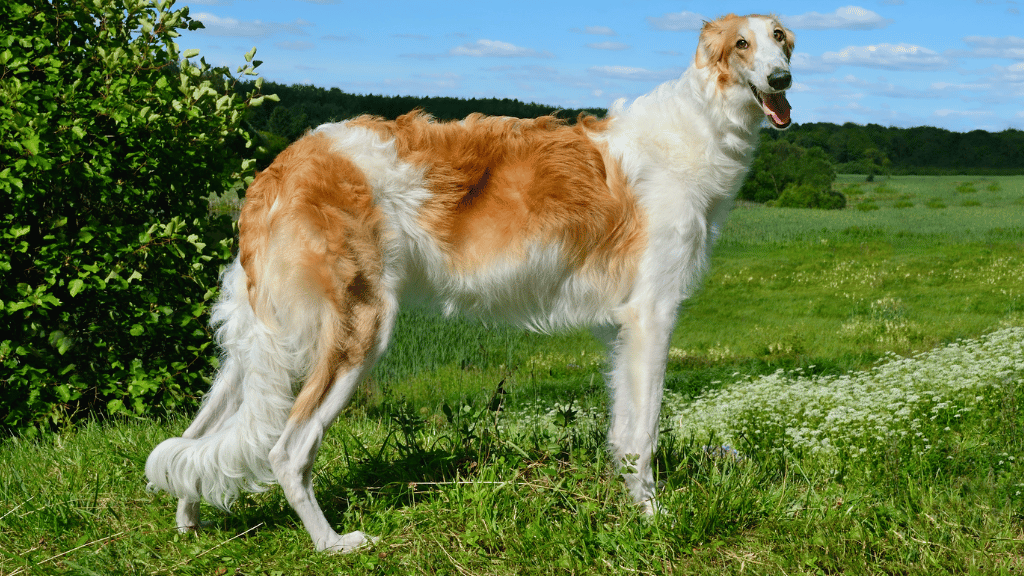
With their elegant, flowing coats and slender, graceful bodies, the Borzoi epitomizes nobility. These laidback Russian sighthounds are quiet indoors and shed very little. Borzois also tend to drool minimally thanks to their narrow heads, tight flews, and dry mouths. Their long snouts and narrow jaws don’t trap excessive saliva.
Cardigan Welsh Corgi
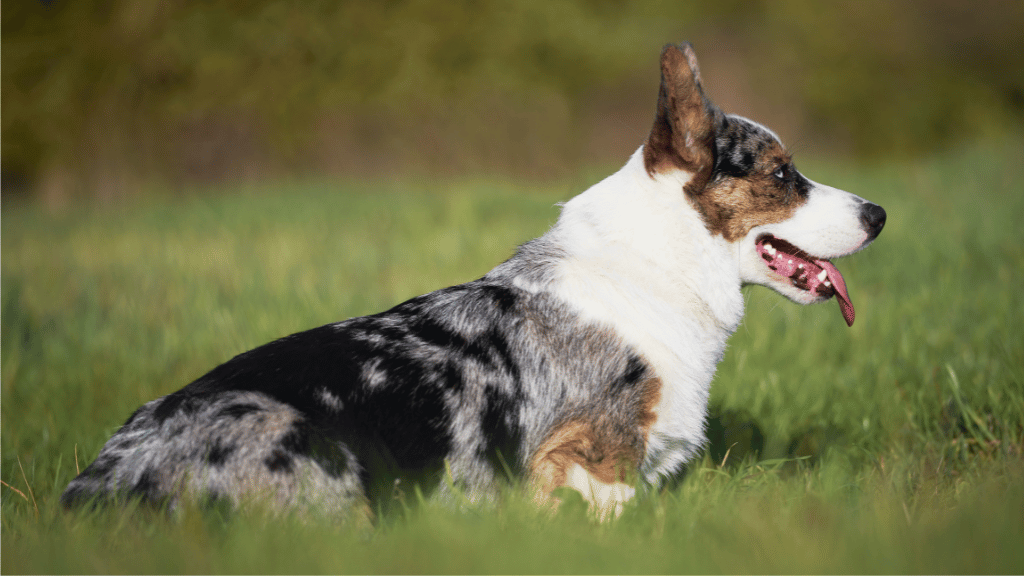
With their fox-like faces, pointy ears, and stubby legs, Cardigan Welsh Corgis are overflowing with charm. Their weather-resistant coats come in diverse colors and patterns. While vocal and energetic, these hardy herding dogs aren’t major droolers. Their tapered muzzles and tight lips keep drooling to a minimum. Daily brushing reduces any saliva buildup in their water-resistant coats.
Brittany

Brittanys were originally bred as bird dogs, and they still excel at hunting and fieldwork. They have supple bodies, expressive eyes, and colorful freckled coats. Brittanys are energetic and eager to please but tend to be less “mouthy” than some retriever breeds. Their short coats and tapered muzzles don’t lend themselves to copious drooling.
Old English Sheepdog

Despite their large size and abundant coats, Old English Sheepdogs aren’t notorious slobberers. While excitable and rambunctious, these gentle giants tend to have dry mouths. Minimal drooling means their thick fur is less prone to getting stringy or matted. Daily brushing and bathing keeps their coats tidy and clean.
Doberman Pinscher

With their sleek, short coats; muscular bodies; and upright ears, Dobermans embody agility and power. While formidable in appearance, Dobies become fiercely devoted companions. They are vocal at times but tend to have dry mouths. With regular teeth brushing and proper oral care, Dobermans typically don’t drool excessively. Just monitor for medical conditions causing increased salivation.
What Causes Dogs to Drool Excessively?
To understand what makes certain breeds less likely to drool, it helps to first look at why dogs drool so much in the first place. There are several key reasons why some dogs seem to have an overactive salivary gland system.
Physical Characteristics Influencing Drooling
Some dogs are anatomically predisposed to increased drooling due to their physical characteristics:
- Loose jowls and flews - Long, pendulous lips and excessive loose skin around the mouth allow saliva to freely spill out. This is common in breeds like Bloodhounds and Saint Bernards.
- Exaggerated lip and cheek folds - Heavily wrinkled muzzles with excessive lip folds, such as in the Bulldog, trap pools of drool.
- Long, hanging tongues - An elongated tongue that constantly hangs out, like in the Basset Hound, provides excessive surface area for drool to accumulate.
- Wrinkly faces - Deep facial wrinkles, prominent in breeds like the Shar-Pei, collect pools of excessive saliva.
- Large dewlaps - Loose, pendulous skin under the neck, such as in Coonhounds, allows profuse drool to form.
Breed-Specific Drooling Tendencies
Certain breeds have a genetic tendency to drool more profusely than others. Some examples include:
- Saint Bernards are renowned as heavy droolers due to their loose jowls and large dewlaps.
- Mastiffs tend to drool a lot with their large heads, abundant wrinkles, and loose lips.
- Bloodhounds are infamous for their drooling due to excessively long ears and loose, baggy skin around their faces.
- Basset Hounds drool constantly thanks to their long, low-hanging ears and saggy skin.
- Newfoundlands have a genetic predisposition for drooling from their heavy, loose jowls.
- Great Danes frequently drool given their substantial size, loose lips, and wrinkled mouths.
Dietary Factors Contributing to Drooling
Certain foods or ingredients can trigger excessive salivation in dogs prone to drooling. Common culprits include:
- Fresh meats with a high fat content
- Peanut butter and other sticky, fatty spreads
- Milk and dairy products
- Spicy foods containing onion or garlic
- Highly acidic foods like citrus fruits
- Sugar substitutes like xylitol
- Metallic tastes from metal food bowls
Medical Conditions Causing Increased Drooling
Excessive drooling can sometimes signal an underlying medical condition requiring veterinary attention. Potential causes include:
- Dental disease like gingivitis or abscessed teeth
- Oral inflammation or ulcers
- Nausea / motion sickness
- Kidney disease
- Liver disease
- Rabies
- Distemper
- Allergies
- Infections
- Foreign objects lodged in the mouth
- Pain or neurological disorders
Key Considerations for a Low-Drooling Breed
While the breeds mentioned above tend to drool less, there are still factors that can influence salivation. Here are some tips for minimizing slobber, even with “dry-mouthed” dogs.
Individual Variation Exists
Keep in mind all dogs are individuals. Even within a breed, there can be differences in drooling tendencies. Carefully observe the parents of any puppy to get hints about salivation tendencies. Reputable breeders will have insights on specific dogs' drooling patterns.
Regular Grooming is Essential
Consistent grooming is key to reducing saliva buildup in dogs prone to drooling. Brushing helps distribute natural oils and remove dirt and tangles. Bathing cleans away stuck-on slobber spots. Good dental care reduces dental disease contributing to excessive drool.
Diet Choices Can Help
Some ingredients and foods are more likely to cause increased salivation. Avoiding grains, wheat, soy, dairy, and high-fat meats may help. Opt for high-quality proteins and batch-tested treats without preservatives. Use stainless steel or ceramic bowls to prevent metallic tastes.
Monitor Health Closely
Schedule regular vet checkups to identify any dental disease, allergies, nausea, or other issues leading to excessive drooling. Quickly treating any medical conditions, along with maintaining proper dental health, can significantly decrease saliva production.
Design an Easy-Clean Environment
Embrace easy-to-clean flooring like hardwoods or tile in main living areas. Choose leather or vinyl furniture resistant to staining and moisture. Washable slipcovers can protect upholstery. Waterproof bedding protects mattresses during naps. Pet-friendly areas with minimal carpeting simplify cleanups after drooly play or mealtimes.
Find the Low-Drooling Dog Who Completes Your Life
While almost any dog can bring tremendous joy and enrichment, there's no denying some breeds just tend to be more drool-prone. Yet there are plenty of charming, affectionate breeds less likely to coat you with soppy saliva every day. With the right match, you can welcome a furry companion into your home without the hassle of constant drool cleaning. Do your homework, ask questions, and take your time finding the perfect slobber-free dog to complete your family. The rewards of a deep lifelong bond with your devoted four-legged friend are well worth it.


