

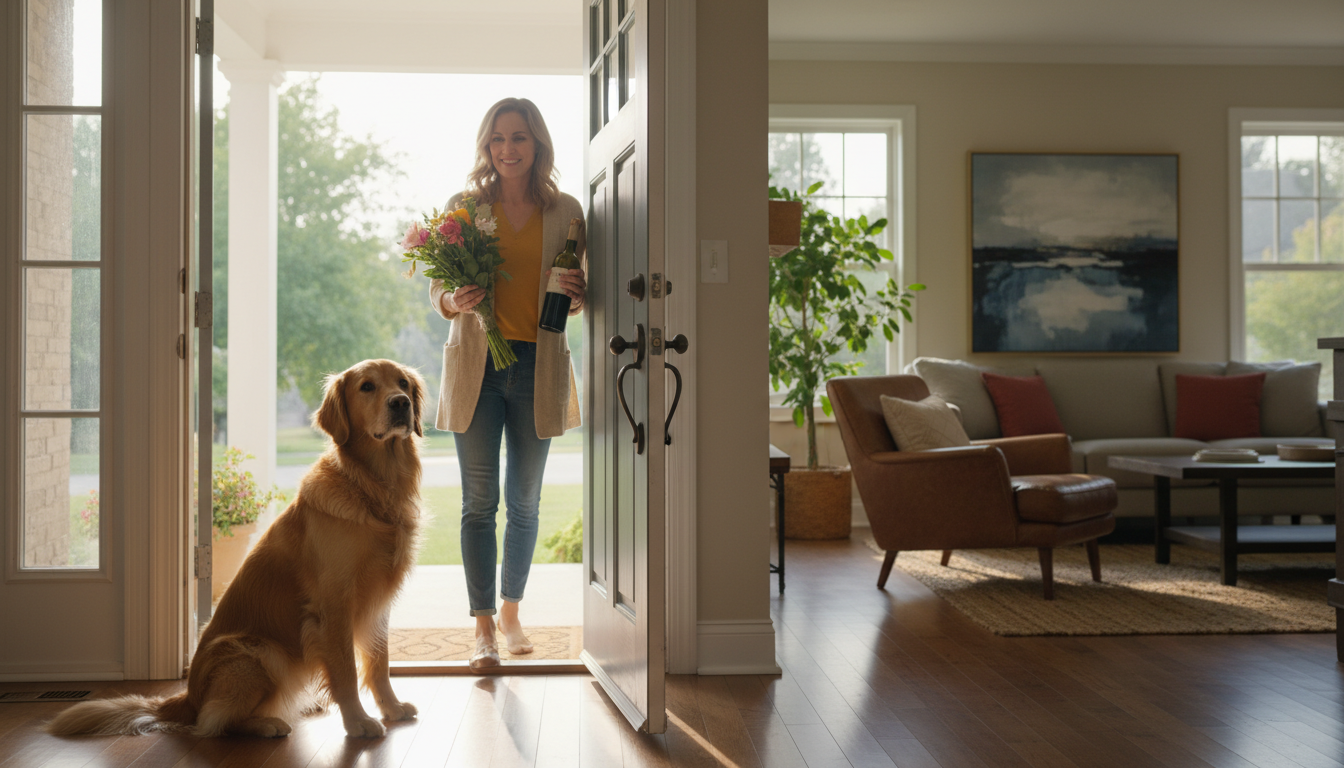

Learning How to Train Your Dog to Greet Visitors in 5 Easy Steps is the key to transforming a chaotic entryway into a calm, welcoming environment. Consistency and the right behavioral techniques are essential for managing an over-excited pet during those first few minutes of a social interaction.
This guide provides actionable strategies to eliminate jumping and barking, ensuring your dog remains well-mannered when the doorbell rings. By following these proven methods, you will build a stronger bond with your pet and provide a stress-free experience for your guests.
Understanding Why Dogs React to Visitors
Before diving into the training, it is important to recognize the root of the behavior. Most dogs react to visitors because of high-arousal levels or a lack of impulse control. Whether the motivation is pure excitement or a protective instinct, the result is often the same: jumping, spinning, or excessive vocalization.
Successfully managing these behaviors begins with understanding your dog body language. Look for signs of overstimulation, such as dilated pupils, a stiffened tail, or frantic pacing. Addressing these early signals helps keep your dog below their reactivity threshold, making the training process much smoother.
The Essential Prerequisites for Calm Greetings
You cannot expect a dog to behave perfectly at the front door if they have not mastered foundational behaviors. Before practicing with guests, your dog should have a solid grasp of basic dog commands such as "Sit," "Stay," and "Down." These commands serve as the building blocks for polite greetings.
Additionally, many owners struggle with "doorbell chaos," where the mere sound of a chime triggers a barking frenzy. Learning how to train a dog to stop barking is a vital first step. If you are working with a younger pet, managing puppy vocalization early on will prevent these habits from becoming lifelong issues.
Step 1: Management and Prevention
The first step in any training plan is preventing the dog from "rehearsing" the bad behavior. Every time your dog successfully jumps on a guest, the behavior is self-reinforced because they received the attention they craved.
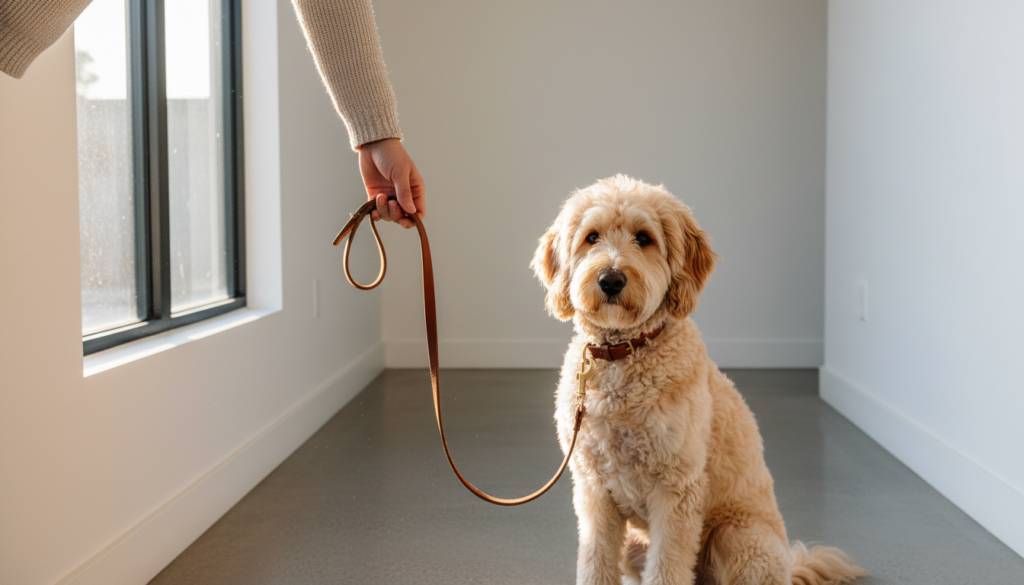
- Use a Leash: Keep a leash near the door. When a guest arrives, tether your dog to a heavy piece of furniture or hold the leash to prevent them from lunging.
- Utilize Baby Gates: If your dog is extremely high-energy, use a physical barrier to keep them at a distance from the door until they have settled down.
- Prevent Door-Rushing: Do not allow your dog to reach the door at the same time as you. Management ensures safety while you work on long-term behavior modification.
Step 2: Desensitize the Doorbell and Knocking
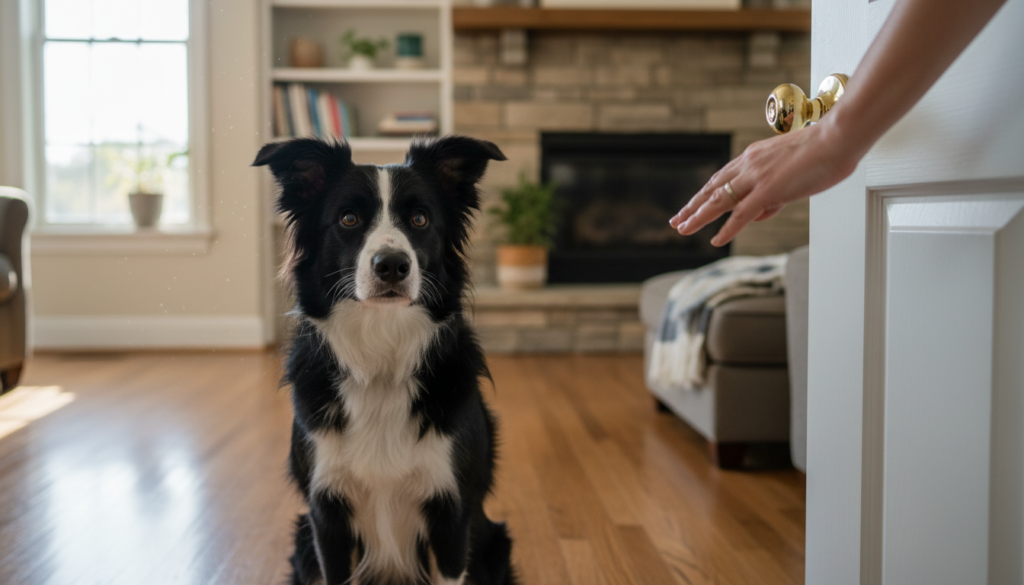
Many dogs become over-aroused the moment they hear the doorbell. Desensitization involves changing the dog's emotional response to that sound. Instead of the doorbell meaning "run to the door," it should mean "look at my owner for a treat."
To do this, ring the bell yourself (or use a recording) at a low volume. If your dog remains calm, use a marker word like "Yes!" and provide high-value treats. Over time, increase the volume and frequency. You are teaching the dog that the sound of a guest is actually a cue to focus on you, rather than the entryway.
Step 3: Teach the Place Command
The "Place" command is one of the most effective tools for polite greetings. This involves teaching your dog to go to a specific mat, bed, or rug and stay there until released. By giving the dog a specific "job" to do, you remove the confusion of what they should be doing when someone enters the home.
Start by guiding your dog to their mat and rewarding them for staying. Use positive reinforcement to build duration, gradually increasing the time they must stay on the mat before receiving a reward. Eventually, the goal is for the dog to go to their "Place" automatically when the doorbell rings.
Step 4: Practice with Controlled Visitors
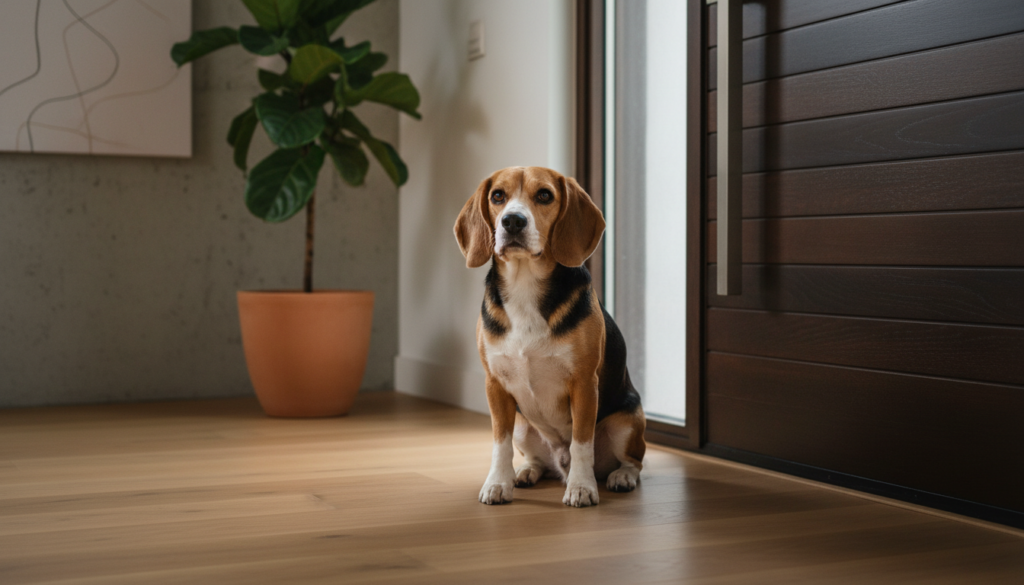
Once your dog understands the "Place" command in a quiet environment, it is time for real-world practice. Enlist the help of friends or family members to act as "fake" visitors.
Instruct your "visitors" to follow the four on the floor rule: they should only provide attention and petting when the dog has all four paws on the ground. If the dog jumps, the visitor should immediately turn their back and ignore the dog. This redirection of attention teaches the dog that jumping results in the loss of social interaction, while sitting calmly earns them praise.
Step 5: Proofing and Real-World Application
The final step is "proofing" the behavior under different levels of distraction. A dog might be calm when one friend visits but lose control when a group of noisy children arrives. You may need to revisit [challenging dog commands](https://bestpetscorner.com/25-hardest-tricks-commands-to-train-dogs/) to sharpen their focus during high-stress moments.
Gradually increase the difficulty by practicing in different weather conditions, with different people, and with varying levels of noise. Consistency across all members of the household is vital; if one person allows the dog to jump, it will undermine the entire training process.
Troubleshooting Common Issues
Even with a solid plan, you may encounter setbacks. Here are a few expert tips for common hurdles:
- The Dog Won't Take Treats: If your dog is too excited to eat, they are likely "over threshold." Increase the distance from the door or use even higher-value rewards like boiled chicken or cheese.
- The Guest Won't Cooperate: Some guests love it when dogs jump. You must be an advocate for your dog's training. Politely ask guests to ignore the dog until you give the "all clear."
- Consistency is Key: Training doesn't happen overnight. It takes hundreds of repetitions for a dog to choose a "Sit" over a "Jump" instinctively.
Mastering the art of How to Train Your Dog to Greet Visitors in 5 Easy Steps requires patience, but the payoff is a dog that is a joy to have around company. By focusing on management, foundation commands, and controlled practice, you can ensure every guest who enters your home is met with a wagging tail and polite manners rather than a chaotic jump.


