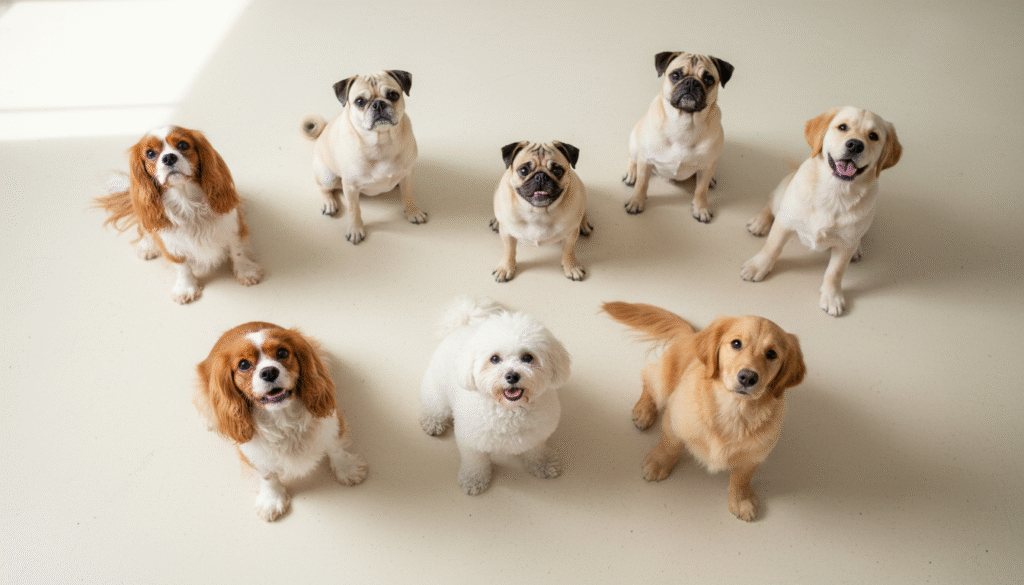
Bringing a dog into your home is a profound joy, a decision that ripples through every corner of your life. Imagine the wet-nosed greetings, the happy tail wags, the unwavering loyalty. It's truly wonderful. But with that excitement comes a significant responsibility. Especially for first-time owners, this journey can feel a little daunting. The sheer number of choices, the conflicting advice – where do you even begin?
Choosing the right dog breed isn't just about finding a cute face. It's about a harmonious match, a partnership built on understanding. Your lifestyle, your living situation, your patience level: these are all crucial pieces of the puzzle. Skip this vital step, and you risk a mismatched pair, leading to frustration for both you and your new canine companion. A good fit, however, promises years of happy memories and an unbreakable bond.
Before that furry bundle arrives, a bit of honest self-reflection goes a long way. What kind of life do you lead? How much time can you realistically dedicate? These aren't trivial questions. They're the foundation of a successful, loving relationship with your very first dog.
Essential Considerations for First-Time Dog Owners
Thinking about a dog is one thing. Actually living with one? That’s different. We’ve seen many first-time owners jump in unprepared. Don't be one of them. Take a moment to consider the practicalities.
Lifestyle Match: Finding a Dog That Fits Your Routine
Your dog's daily routine will quickly become your own. So, what does your day look like?
- Activity Level: Couch Potato vs. Adventure Seeker. Are you someone who enjoys long hikes and jogs? Or is your ideal evening curled up on the sofa? Some breeds thrive on intense activity; others are perfectly content with a stroll around the block. Matching your dog's energy level to your own is critical for their happiness and your sanity. A high-energy dog in a low-energy home often spells trouble.
- Living Space: Apartment vs. House with a Yard. While many smaller breeds can adapt beautifully to apartment living, some larger, more active dogs truly need room to roam. A small apartment doesn't necessarily rule out a medium-sized dog, but it certainly dictates how much outdoor exercise you'll need to provide. Be honest about your space constraints.
- Time Commitment: Training, Exercise, and Companionship. Dogs are social creatures. They need your time. They need training. Daily walks, playtime, feeding, grooming, and simply being present. This isn't just a pet; it's a family member. Can you truly dedicate hours each day, for years to come? Or do you need a more independent companion?
Dog Traits: What to Look For in a First Dog
Once you've mapped out your life, let's look at the ideal dog traits for a newcomer.
- Temperament & Personality: Affectionate, Calm, Eager to Please. This is perhaps the most important factor for first-time owners. You want a dog with a generally stable, forgiving temperament. Dogs that are naturally affectionate, calm under pressure, and inherently eager to please make the learning curve much smoother. They're more patient with your inevitable rookie mistakes.
- Trainability: Breeds That Are Easy to Teach. Trainability isn't just about tricks. It's about housebreaking, leash manners, and basic obedience. A highly intelligent and biddable breed will pick up commands faster, making the entire integration process less stressful. Less frustration for you, happier dog.
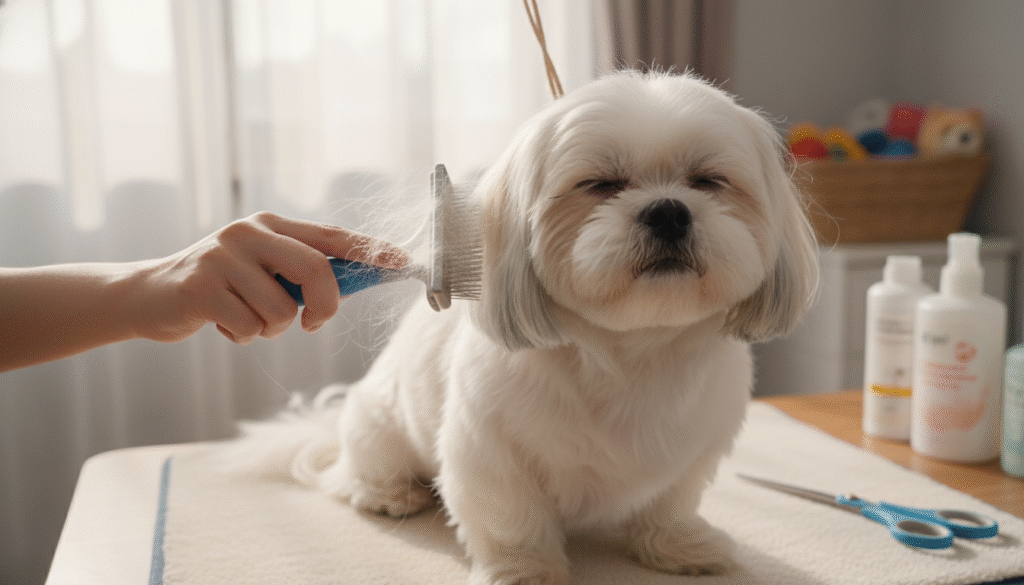
- Grooming Needs: Low-Maintenance vs. High-Maintenance Coats. Are you prepared for daily brushing, regular trips to a professional groomer, and constant fur maintenance? Or do you prefer a wash-and-go coat? Grooming requirements vary wildly between dog breeds, and neglecting them can lead to painful mats, skin issues, and costly vet bills. Consider your comfort level here.
- Size & Strength: Managing a Dog's Physical Presence. A tiny Toy Poodle is managed very differently from a powerful Boxer. Think about leash handling, potential jumping, and how their physical presence fits into your home. A large, strong dog might be overwhelming for a small individual or someone with limited mobility.
- Health Considerations: Common Issues by Breed. Every breed has predispositions. Researching common health issues helps you prepare for potential challenges, both emotionally and financially. Responsible ownership means understanding these possibilities upfront.
Top Dog Breeds for First-Time Owners
So, you've assessed your lifestyle and what you value in a companion. Now for the fun part: meeting some of the best dog breeds for first-time owners. These breeds typically offer a winning combination of trainability, good temperament, and manageable needs.
Labrador Retriever

Key Features: Renowned for their friendly, outgoing nature, Labs are exceptionally trainable, intelligent, and brimming with energy. They are true people-pleasers.
Pros & Cons:
Pros: Highly adaptable, fantastic with children and other pets, respond well to positive reinforcement, and are incredibly loyal. Their versatility makes them excellent family pets.
Cons: Requires substantial daily exercise to prevent boredom and destructive behaviors. They shed, requiring regular grooming, and can be quite boisterous during their long puppyhood phase.
Verdict / Best For: Active families or individuals prepared to dedicate time to outdoor adventures and consistent training. They crave companionship and thrive when they feel part of the action.
Golden Retriever

Key Features: Goldens embody gentleness, patience, and unwavering affection. They are highly intelligent, playful, and simply gorgeous dogs.
Pros & Cons:
Pros: Legendary patience with children, incredibly easy to train, naturally good-natured, and exceptionally loyal. An ideal family pet if ever there was one.
Cons: Their beautiful double coat requires significant grooming to manage shedding and prevent mats. They also need a good amount of daily exercise and mental stimulation to stay happy.
Verdict / Best For: Owners who desire a gentle, devoted companion willing to include their dog in all family activities. Be ready for regular brushing and plenty of games of fetch.
Cavalier King Charles Spaniel
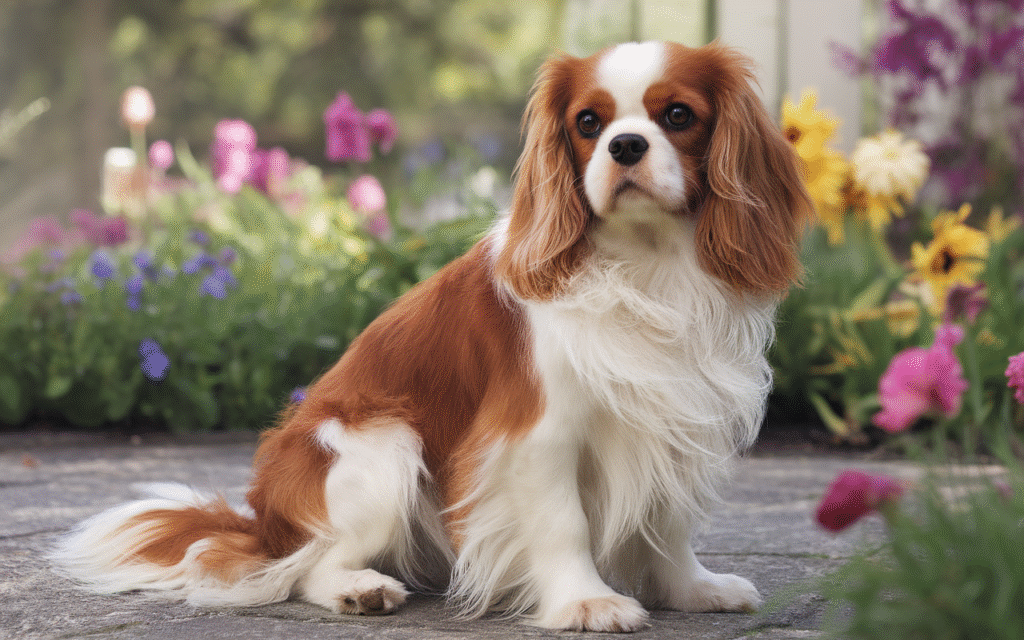
These small dogs are the epitome of sweet and affectionate. They possess a gentle demeanor, are highly adaptable, and make perfect lapdogs.
Pros & Cons:
Pros: Thrive in almost any household, wonderful with children, have moderate exercise needs, and respond beautifully to positive training. Their grooming is relatively basic.
Cons: Can be prone to certain breed-specific health issues. Their strong bond with owners means they can suffer from separation anxiety if left alone too often.
Verdict / Best For: Individuals or families in apartments or smaller homes who want a calm, loving, and truly devoted companion that's happy to snuggle up.
Poodle (Standard, Miniature, Toy)

Don't let the fancy haircuts fool you. Poodles are remarkably intelligent, active, and elegant. Crucially, their low-shedding coat offers hypoallergenic qualities.
Pros & Cons:
Pros: Exceptionally brainy and among the easiest dog breeds to train, highly versatile, generally healthy. Their low-shedding coat is a boon for allergy sufferers.
Cons: Their unique coat requires consistent, professional grooming. They demand both mental and physical stimulation to prevent boredom, and can be sensitive to harsh correction.
Verdict / Best For: Owners who enjoy interactive play and mental challenges, and seek a smart, versatile, and relatively allergy-friendly companion. Choose the size that best suits your home and energy.
Bichon Frise

A little cloud of joy! Bichons are cheerful, friendly, playful, and boast a small, low-shedding coat.
Pros & Cons:
Pros: Adapts incredibly well to various living environments, including apartment living. They love to please, making them relatively easy to train, and are wonderful family pets.
Cons: Their fluffy coat requires diligent, regular grooming to prevent matting. They can also be prone to barking if not properly socialized and trained.
Verdict / Best For: First-time owners looking for a joyful, affectionate, and relatively low-maintenance (in terms of exercise) companion. Be ready to commit to professional grooming appointments.
Yorkshire Terrier

Spirited, affectionate, and intelligent, the Yorkie is a portable lapdog with a big personality.
Pros & Cons:
Pros: Deeply affectionate towards their owners, have a moderate energy level, and are perfect for apartment living. They respond well to early training and socialization.
Cons: Can exhibit stubbornness and be quite vocal without consistent structure. Their long, silky coat requires attentive, daily grooming. Potential for excessive barking if not managed.
Verdict / Best For: Owners who want a small, characterful, and devoted lapdog. They thrive with consistent training and commitment to their distinctive grooming needs.
Shih Tzu

A true companion, the Shih Tzu is friendly, cuddly, and possesses a wonderfully calm temperament. They are highly adaptable and have low energy needs.
Pros & Cons:
Pros: Exceptionally well-suited for apartment living, requires minimal exercise, and makes a peaceful, adaptable companion. Great for those seeking a lap-warmer.
Cons: Their iconic long, flowing coat demands regular, often daily, grooming to prevent mats and keep them comfortable. This is non-negotiable.
Verdict / Best For: Owners who appreciate a relaxed lifestyle, desire a constant, cuddly companion, and are fully committed to regular, thorough grooming.
Pug

With their charming, fun-loving nature, Pugs are social, sturdy, and wonderfully expressive small dog breeds.
Pros & Cons:
Pros: Incredibly affectionate companions, adapt effortlessly to apartment living, and have relatively low exercise needs. Their charming antics bring endless joy.
Cons: Prone to significant breathing issues due to their brachycephalic (flat) face, making them sensitive to heat. They can also be prone to obesity without careful diet management.
Verdict / Best For: Individuals or families seeking a charming, low-energy companion who thrives in urban environments. Owners must be keenly aware of and prepared for their specific health considerations.
Boston Terrier

A true "American Gentleman," the Boston Terrier is a manageable size, has a well-mannered disposition, is friendly, intelligent, and eager to please.
Pros & Cons:
Pros: Relatively easy to train, excellent for smaller living spaces and apartment living. They are loyal and generally don't require excessive outdoor exercise.
Cons: Can be prone to certain health issues, particularly respiratory ones due to their brachycephalic features. They do still require moderate activity to stay healthy.
Verdict / Best For: Owners looking for a loyal, lively pal who enjoys interactive play and regular walks, but doesn't demand hours of strenuous activity. Their adaptability is a huge plus.
Boxer
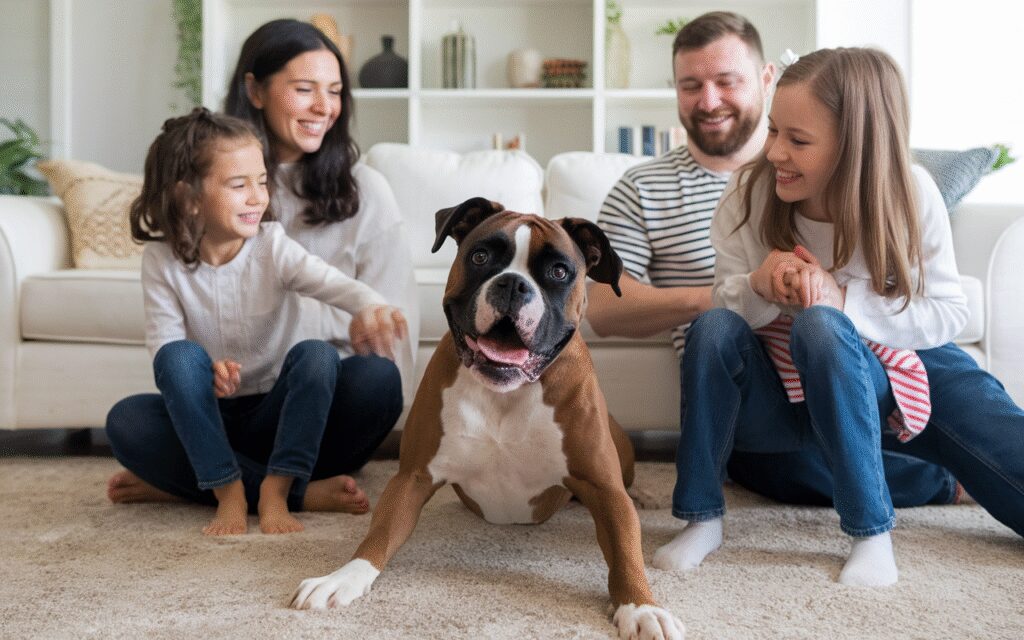
Boxers are loyal to a fault, wonderfully friendly, and incredibly playful. They are medium-to-large dog breeds with a powerful presence.
Pros & Cons:
Pros: Extremely loyal and affectionate with their families, thriving on interaction. They enjoy active play and are relatively easy to groom.
Cons: Possess a very high energy level and require consistent, substantial exercise to be well-behaved. They can be boisterous, demanding early training and extensive socialization.
Verdict / Best For: Active owners or families who can provide abundant exercise and consistent, firm training. A Boxer will be a devoted, playful, and protective member of your household.
Beyond Breed: Other Avenues for First-Time Owners
While focusing on specific dog breeds is helpful, remember the world of dogs is vast and wonderful. Don't limit your search.
Considering Mixed Breeds: The Best of Both Worlds
Often, a mixed breed can offer the very best traits of several dog breeds, sometimes even with fewer breed-specific health predispositions. Many wonderful dogs with fantastic temperaments come from mixed backgrounds. Their personalities can be a delightful surprise, combining the loyalty of one with the playfulness of another.
The Rewarding Experience of Adopting from a Shelter or Rescue
Adopting from a shelter or rescue organization is a truly rewarding path. Many shelters perform thorough temperament assessments, and staff often have deep insights into a dog's personality and lifestyle needs. They can guide first-time owners to a perfect match, ensuring you bring home a dog whose history and disposition are well-understood. Plus, you're giving a deserving dog a second chance at a loving home.
Preparing for Your New Dog: Essential First Steps
The breed choice is made, the decision is firm. What now? Preparation is key for a smooth transition.
- Setting Up Your Home: Supplies and Safety. Before your new companion steps paw through the door, your home needs to be ready. Think food and water bowls, a comfortable bed, appropriate toys, a leash and collar, and basic grooming tools. "Puppy-proof" your home: remove hazards, secure chemicals, and ensure anything valuable is out of reach.
- Training Fundamentals: Positive Reinforcement and Consistency. Regardless of the breed, every dog benefits from early and consistent training. Focus on positive reinforcement methods – reward good behavior, ignore bad. Consistency from all family members is vital. A well-trained dog is a happy dog, and a happy dog makes for a happy home.
- Veterinary Care: Regular Check-ups and Vaccinations. Find a trusted veterinarian before your dog arrives. Schedule an initial check-up. Regular vaccinations, parasite prevention, and routine health checks are non-negotiable parts of responsible pet ownership. Discuss nutrition and any breed-specific health concerns.
- Socialization: Introducing Your Dog to the World. Early socialization is paramount. Safely introduce your new dog to various people, places, sounds, and other friendly dogs. Positive experiences during this crucial developmental period help shape a confident, well-adjusted adult dog.
Conclusion: Your Journey to a Lifetime of Canine Companionship
Bringing home your first dog is more than just getting a pet; it's welcoming a new heartbeat into your home. It’s an adventure that will challenge you, teach you, and fill your life with immeasurable love. Take your time, do your research, and choose wisely. That perfect match? It’s waiting. And a lifetime of wet-nosed kisses awaits you.