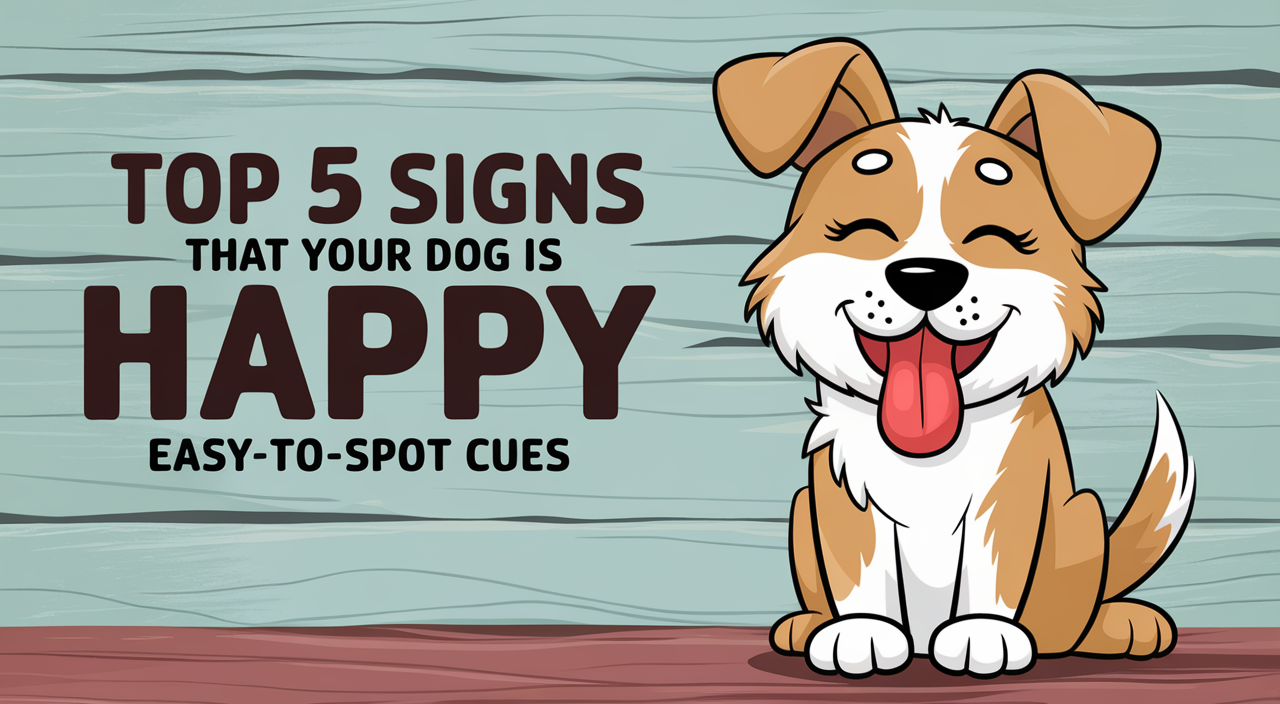

Every pet owner dreams of a happy, wagging-tailed pooch greeting them at the door. But what are the definitive signs of happiness in dogs? Knowing these can transform the bond you share, enhancing both your lives. In this guide, we'll walk you through the top 5 signs that your dog is happy. Understanding these signs is about more than just reassurance—it's about fostering an environment where Fido thrives in joy.
Decoding Canine Joy – Is Your Dog Happy?
The Importance of Recognizing Happiness in Dogs
Recognizing when your dog is happy isn't just about wagging tails and playful barks. It plays a vital role in ensuring their mental and physical well-being. Understanding these signals allows you to provide the best care, ensuring your furry friend lives a fulfilled life. Let's dive deeper into what happiness looks like from your dog's perspective.
The Significance of Understanding Dog Body Language
Dogs communicate through body language much more than they do through vocalization. Their expressions, movements, and postures are all loaded with meaning. Decoding these messages aids in understanding their feelings and strengthens your mutual trust.
Overview: What to Expect in This Guide
We're about to explore five key signs of canine happiness. These indicators are not only beneficial for assessing your dog's mood but will help enhance your understanding of their behavior. Beyond these primary signs, we'll also look at additional factors and common misinterpretations that can influence your dog's demeanor.
The 5 Primary Signs of a Happy Dog
Sign 1: Wagging Tail – The Myth of the Happy Tail
The wagging tail is often synonymous with a happy dog, but did you know it isn’t always linked to joy? Different wagging patterns tell different stories.
- Loose, Relaxed Wag: This is your classic happy tail. It's free-flowing and natural.
- Whole Body Wag: If your dog's entire body gets into the wagging action, that's a true sign of delight and excitement!
- Slow Wag: At times, a slow wag could indicate concentration mixed with happiness, depending on the scenario.
- High Tail Wag: Generally means excitement or alertness—context is crucial here.
- Tail Tucked Under: Opposite of happy; this indicates fear or submission.
- Side to Side Wag: Typically positive, a broad wag usually complements a relaxed demeanor.
Sign 2: Relaxed Body Language – The Posture of a Content Canine
A dog with a relaxed body posture is a dog at peace.
- Loosened Muscles: When muscles are at ease, it reflects their inner calm.
- Play Bow: This gesture is a surefire indication of an invitation to play and happiness.
- Submissive Bow: It can be playful, indicating contentment when approached within context.
- Neutral Posture: Balanced and relaxed postures reflect comfort and contentment.
Beware of occasional misleading indicators:
- Rigid Posture: Contrasts relaxed body language; often a sign of stress.
- Cowering: Typically indicative of anxiety or fear, far from happiness.
Sign 3: Playfulness – Joy in Action
Nothing screams happiness more than an energetic dog engaged in joyful antics.
- Play Bows: This repetitive action indicates a playful and happy spirit.
- Bounding and Zooming: That sudden burst of speed across your yard? Pure joy!
- Interactive Play (Fetch, Tug-of-War): Initiating play is their way of connecting.
- Seeking Attention For Play: When your dog nudges you with a toy or paw, it's a clear call for interaction and fun.
Sign 4: The Happy Face – Facial Expressions Unveiled
Facial expressions provide deep insights into your dog's mood.
- Soft, Relaxed Eyes: Signals trust and satisfaction.
- Slightly Open Mouth or Panting: A loose, open mouth can mean relaxation.
- Relaxed Ears: Ears that aren't pinned back show ease.
- "Doggy Smile": Yes, it exists! An expression of contentment and trust.
Always consider the importance of context in facial expressions, as situational awareness is vital.
Sign 5: Social Engagement – Seeking Interaction and Affection
A socialized dog is a happier dog, inclined to interact and share affection.
- Greeting People with Enthusiasm: Watch for wagging tails and attentive eyes.
- Seeking Affection and Physical Contact: See how often they lean against or nuzzle you.
- Enthusiastic Greetings, Happy Barks, and Whines: Vocal invitations to play or interact.
- Initiating Play or Interaction: Dogs that seek connection typically express a content and happy existence.
It’s important to consider individual personality—some dogs are naturally more reserved.
Additional Signs and Considerations – Beyond the Top 5
Eating and Sleeping Habits: When is Your Dog Enjoying It?
Good appetite and regular, deep sleep are signs of well-being and contentment. In contrast, a loss of appetite or sleep disturbances could indicate unhappiness or health issues.
Vocalizations: Beyond the Bark
Dogs have a symphony of barks, whines, and howls. Happy barks tend to be more upbeat, and context brings their vocalizations into clearer focus.
Digging and Destructive Behavior
Consider the context of their destructive behavior. While often seen as negative, sometimes these actions serve as outlets for pent-up energy or boredom.
The Role of Environment
Creating an environment that supports your dog's happiness involves:
- Safe Spaces: Personal spaces of comfort.
- Mental Stimulation: Enrichment through games and training.
- Socialization: Interaction with other dogs and people.
- Physical Exercise: Regular walks and playtime.
An environment conducive to stress-free living is critical to canine happiness.
Common Misinterpretations – Things That Don't Always Mean Happiness
Over-Excitement vs. Happiness
Unbridled excitement can border on anxiety. Calm contentment is usually a better indicator of happiness.
Food-Driven Behavior vs. Happiness
A dog that eagerly seeks out food isn't necessarily happy, especially if their enthusiasm for food masks other issues.
Understanding Breed Differences
Each breed has unique expressions of happiness. What works for a Labrador may differ for a Chihuahua.
Troubleshooting: What If My Dog Seems Unhappy?
If your dog seems down, several factors could be at play, from health issues to anxiety or boredom. Recognize signals and changes:
- Physical Health Issues: Routine check-ups help catch hidden problems.
- Anxiety and Fear: Identify triggers and mitigate them.
- Boredom and Lack of Stimulation: Enrich their environment with toys and activities.
- Changes in Routine: Adjustments can upset sensitive dogs.
If concern persists, consulting a veterinarian or dog behaviorist is advisable.
Conclusion: Nurturing Canine Happiness
Taking note of the top 5 signs that your dog is happy helps cement your relationship built on love and understanding.
A happy dog means a fulfilled pet owner, and the reward is beyond measure. So go ahead—create a joyful existence for your furry companion. Recognize these signs, and use them as stepping stones for a deeper connection. In the end, isn’t ensuring your dog's happiness the best reward? Share your experiences and insights with fellow dog lovers, and feel free to check out our online resources and quizzes for more interaction with like-minded enthusiasts!