


When a dog loses their teeth, mealtime can become a struggle. But having the right bowl can make all the difference in your pup's eating experience!
In this guide, I'll discuss the importance of choosing a suitable food bowl for toothless dogs and provide an overview of the top bowls available. My goal is to help you find the perfect option to keep your dog happy, healthy, and well-fed.
Why the Right Bowl Matters
When a dog lacks teeth, they can have difficulty properly chewing and swallowing their food. This puts them at risk for undernourishment, weight loss, and even choking. It also means mealtime is less comfortable and enjoyable for them.
The right bowl can alleviate these issues by providing a softer surface, slowing down their rate of eating, or relieving joint pressure. Ultimately, the proper bowl improves the overall dining experience, which motivates dogs to eat more and maintain a healthy weight.
So don't underestimate the power of choosing the best food bowl for your toothless pooch! Consult with your vet for tailored advice, but keep reading for an overview of top options to consider.
The Best Food Bowls for Dogs Without Teeth
Soft-Sided Dog Bowls
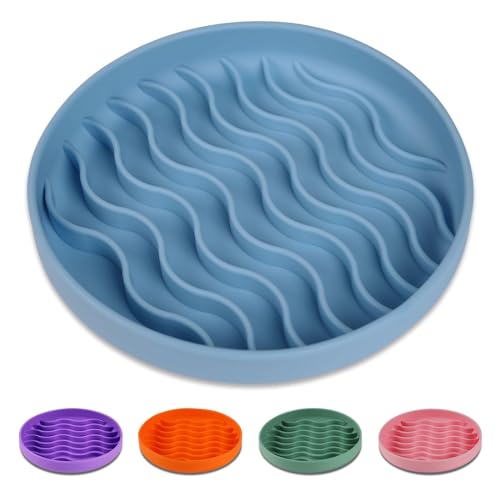
Soft-sided bowls are designed with pliable materials like silicone, rubber, or flexible plastic. This creates a softer surface that makes chewing and swallowing easier for dogs with no teeth. The softness is also gentle on their gums.
Benefits of soft-sided bowls:
- Softer surface facilitates chewing and swallowing
- More comfortable for eating
- Less likely to irritate gums
- Many have non-slip bases to prevent spills
- Easy to clean and dishwasher safe
Soft-sided bowls come in a variety of sizes, styles, and colors to suit different dogs. Just be aware they may not stand up to aggressive chewers. But for most dogs, they make mealtimes more relaxed and enjoyable.

Dogs find soft-sided bowls comfortable for eating.
Slow-Feeder Dog Bowls

Slow-feeder bowls regulate how fast dogs eat by making accessing the food more difficult. This helps dogs without teeth avoid choking and prevents stomach issues from eating too quickly.
Benefits of slow-feeder bowls:
- Encourages thorough chewing to prevent choking
- Provides mental stimulation
- Can reduce risk of bloat
- Mazes or obstacles force dog to eat slowly
The labyrinth or puzzle-like patterns require dogs to move food around before eating. Other designs incorporate obstacles the dog must navigate to access the food.
Slow-feeder bowls may not suit dogs with mobility or cognitive impairments. Supervision is also advised to ensure the dog doesn't get frustrated trying to eat. But for energetic, food-motivated dogs, these bowls offer healthy mental and physical benefits.
Raised Dog Bowls

Raised bowls lift food and water off the floor to reduce joint strain while eating. For dogs who struggle to bend down, this improves comfort.
Benefits of raised bowls:
- Alleviates pressure on neck and joints
- Can aid digestion
- Helps dogs with arthritis or joint problems
- Bowls attach to stands or platforms
- Height should align with dog's chest/shoulders
It's important to choose the right height based on your dog's size and breed. And dogs with severe mobility issues may not be able to use raised bowls. But for most dogs, elevated feeders reduce discomfort and support good digestion.
Non-Skid Dog Bowls
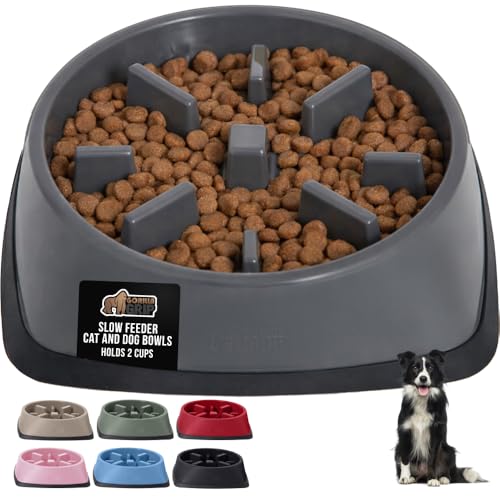
Non-skid bowls have rubberized bases that grip floors to avoid slipping and sliding during meals. This provides stability which makes eating easier for dogs without teeth.
Benefits of non-skid bowls:
- Rubber base prevents sliding
- Allows dog to eat comfortably
- Great for dogs who push bowls around
- Provides security for unsteady dogs
Look for non-slip bowls made of non-toxic, durable materials. And opt for a size and height tailored your dog's needs. With a stable, non-skid bowl, dogs can enjoy their food without frustrating bowl slips and spills.
Handheld Dog Bowls

Handheld bowls allow you to hold and control your dog's portions during feedings. For dogs with no teeth, this can make eating more successful.
Benefits of handheld bowls:
- Allows monitoring and controlling food amount
- Ensures dog can eat comfortably
- Great for assisting disabled or elderly dogs
- Provides opportunity for bonding
With handheld bowls, you can bring food right up to your dog's mouth and provide assistance as needed. Just be sure to choose lightweight bowls that are easy to grip and hold. Handheld feeding fosters closeness while enabling dogs with special needs to eat without trouble.
Key Considerations
When selecting a food bowl for your dog without teeth, keep these tips in mind:
- Consult your vet for advice on the best bowl choice
- Consider your dog's eating habits and needs
- Monitor your dog when introducing a new bowl
- Adjust bowl height as needed
- Choose durable bowls that are easy to clean
- Opt for non-toxic materials
- Provide supervision at mealtimes
- Try different styles to find the best fit
While no bowl is one-size-fits-all, observing your dog's behavior and preferences will guide you towards the right option. Be willing to experiment with different bowls and make adjustments until your dog is as comfortable, stress-free, and satiated as possible at mealtime.
Food Textures for Dogs Without Teeth
In addition to choosing the right bowl, you'll need to provide food textures your toothless dog can properly eat. Avoid hard, dry kibbles as these will be difficult to chew and swallow. Instead, opt for moist, tender foods like:
- Canned dog food: Look for pates or stews with small, soft pieces in sauce.
- Cooked meat: Dice cooked chicken, beef, pork, or fish into bite-size morsels.
- Mashed vegetables: Lightly steam and mash pumpkin, sweet potato, carrots, peas, etc.
- Wet dog food rolls: Slice into small cubes to serve.
- Baby food: Select unsweetened vegetable and meat purees.
- Cottage cheese: Provides protein in a soft, creamy texture.
- Rice: Cooked white or brown rice provides carbohydrates.
- Eggs: Scrambled, hard boiled, or poached eggs offer protein.
- Oatmeal: Cook to a mushy consistency and allow to cool before serving.
- Broth: Homemade or low-sodium broths add flavor.
Getting creative with food textures gives dogs without teeth nutritious options they can comfortably eat. Just introduce new foods slowly and watch for signs of digestive upset.
Feeding Techniques for Toothless Dogs
Along with the right food bowl and textures, employ these techniques to make eating easier for dogs without teeth:

- Hand feed for total control of your dog's portions.
- Separate large chunks of food into smaller pieces.
- Mash or puree food with added broth or milk for moisture.
- Mix in a nutritional gel or puppy milk replacer.
- Consider adding warm water to kibble to soften it.
- Elevate bowls to reach your dog's mouth height.
- Spread food flattened on a plate for easier access.
- Try different spoon or syringe feeding if needed.
- Remain patient and supportive - don't rush your dog.
- Provide plenty of fresh water for rinsing food down.
With some creativity and flexibility, you can make mealtimes pleasant and nourishing for your toothless pup. Don't be afraid to experiment until you find solutions that work.
When to Seek Veterinary Care
While the right food and bowls can help dogs without teeth thrive, it's important to involve your vet in solving feeding issues. Contact your vet if your dog:
- Experiences weight loss or lack of appetite.
- Has signs of choking - gagging, coughing, pawing at the mouth.
- Shows evidence of digestive issues - vomiting, diarrhea, gas.
- Displays signs of discomfort or frustration during meals.
- Has difficulty swallowing or tends to pocket food in the cheeks.
- Begins dropping food from the mouth when eating.
These can indicate an underlying condition requiring medical attention. Schedule a vet exam to identify solutions if your toothless dog struggles with eating, nutrition, or comfort.
Support Your Toothless Dog at Mealtime
Losing teeth impacts many aspects of a dog's life. But being a dedicated pet parent means doing all you can to make your pup's world easier.
Follow these tips to support your toothless canine at mealtime:
- Adopt a positive, patient attitude when feeding your dog.
- Encourage and praise your dog as they eat.
- Stick to a schedule with regular, frequent mealtimes.
- Monitor your dog's food intake and bowel movements.
- Weigh your dog weekly and track their body condition.
- Keep mealtimes relaxing and stress-free.
- Experiment with different techniques until your dog succeeds.
- Work closely with your vet to optimize your dog's diet.
- Focus on providing nutrition, not just filling your dog's tummy.
With compassion and creativity, you can help your toothless pooch continue eating happily and healthfully. Don't hesitate to reach out to fellow pet parents for advice as you navigate new solutions together.
Final Tips for Choosing the Best Food Bowl
Choosing the right food bowl is key to easing mealtime challenges for dogs without teeth. As you evaluate options, keep these final tips in mind:
- Select a bowl with a soft texture yet durable design.
- Opt for non-slip materials like silicone or rubber.
- Consider a slow-feeder or maze style to control eating speed.
- Look for a bowl that is dishwasher safe and easy to clean.
- Be sure the size and height suit your dog's needs and abilities.
- Monitor your dog's comfort level with any new bowl.
- Stick with a bowl your dog accepts and enjoys using.
- Don't be afraid to try multiple styles until you find the perfect match.
- Focus on supporting your dog's happiness and health above all.
With the right food bowl tailored to their needs, your beloved dog can continue eating properly and pleasurably. Be patient in the process, get creative with solutions, and choose options that reduce your dog's stress.
Most importantly, remind your toothless pup daily how much they are loved - bowl struggles and all! With time and persistence, you can discover the perfect feeding routine to keep them thriving.


