


Are you considering bringing a furry friend into your life but worried about the time and effort it might take? Well, you're in for a treat! As a fellow pet lover and experienced dog owner, I'm here to guide you through the world of low maintenance dogs that are perfect for first-time owners. Let's dive in and find your ideal canine companion!
Introduction: Why Choose a Low Maintenance Dog?
Let's face it – life can be hectic. Between work, social commitments, and personal time, adding a high-maintenance pet to the mix might seem daunting. That's where low maintenance dogs come in! These easygoing pooches offer all the love and companionship you crave, without demanding too much of your time and energy.
Understanding Low Maintenance Dogs
So, what exactly makes a dog "low maintenance"? It's not just about being lazy (though some of these breeds do love a good nap). Low maintenance dogs typically have:
- Minimal grooming needs
- Lower exercise requirements
- Easygoing personalities
- Good health and fewer genetic issues
Key Characteristics of Low Maintenance Breeds
| Characteristic | Description |
|---|---|
| Coat Type | Short, smooth coats that don't require frequent grooming |
| Size | Often smaller breeds that need less space and food |
| Energy Level | Moderate to low, content with shorter walks and play sessions |
| Trainability | Generally eager to please and quick to learn basic commands |
| Health | Breeds with fewer known genetic health issues |
Benefits of Owning a Low Maintenance Dog
- More free time: Less grooming and exercise means more time for cuddles and fun!
- Lower costs: Fewer grooming appointments and health issues can save you money.
- Flexibility: These dogs often adapt well to different living situations.
- Reduced stress: An easygoing dog means less worry for you as a new pet parent.
Top 10 Low Maintenance Dog Breeds for First-Time Owners
Ready to meet your potential new best friend? Here are our top picks for low maintenance dog breeds that are perfect for first-time owners:
- French Bulldog
- Boston Terrier
- Bichon Frise
- Cavalier King Charles Spaniel
- Shih Tzu
- Greyhound
- Pug
- Basenji
- Dachshund
- Maltese
Let's get to know each of these lovable breeds a little better!
1. French Bulldog
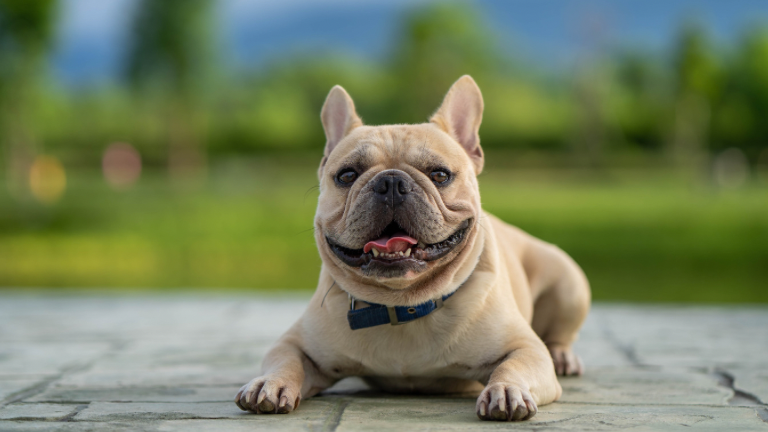
Frenchies, as they're affectionately known, are the clowns of the dog world. These compact cuties are known for their bat-like ears and smushed faces that are just impossible not to love.
- Size: Small (under 28 pounds)
- Coat: Short and smooth
- Energy Level: Low to moderate
- Grooming Needs: Minimal (weekly brushing, occasional bath)
- Personality: Playful, affectionate, adaptable
Frenchies are perfect for apartment living and don't need much exercise beyond short walks and indoor play. They're happy to be couch potatoes with you after a long day. Just be aware that their flat faces can make them prone to overheating, so they're best suited for air-conditioned homes.
2. Boston Terrier
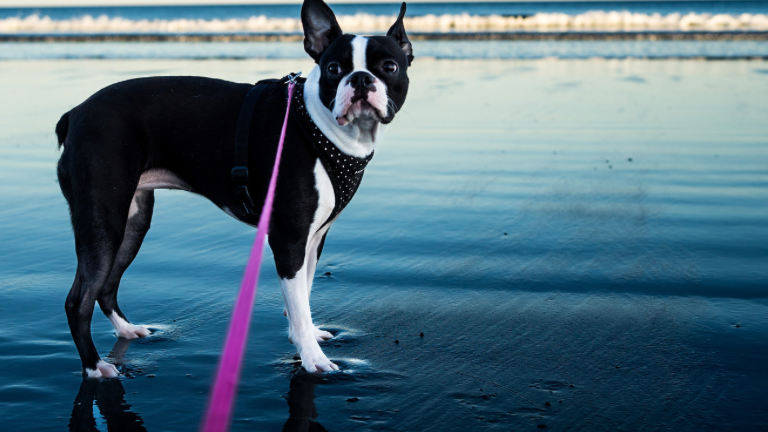
Another small breed with a big personality, the Boston Terrier is often called the "American Gentleman" due to its tuxedo-like markings.
- Size: Small to medium (12-25 pounds)
- Coat: Short and smooth
- Energy Level: Moderate
- Grooming Needs: Minimal (weekly brushing, occasional bath)
- Personality: Friendly, intelligent, lively
Boston Terriers are great for first-time owners who want a dog with a bit more pep in their step. They're easy to train and love to play, but they're also content to curl up with you for a Netflix marathon.
3. Bichon Frise
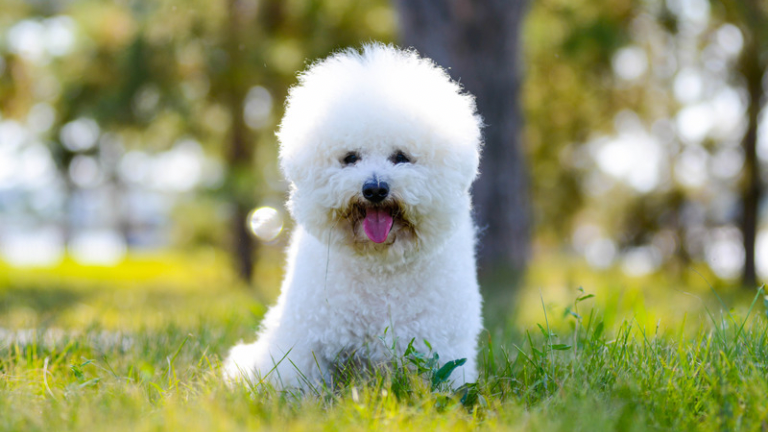
If you're looking for a hypoallergenic dog breed that's low maintenance, the Bichon Frise might be your perfect match.
- Size: Small (7-12 pounds)
- Coat: White, fluffy, and curly
- Energy Level: Moderate
- Grooming Needs: Moderate (regular brushing, professional grooming every 4-6 weeks)
- Personality: Cheerful, playful, affectionate
While their coats do require some attention, Bichons are generally easy to care for and are great for allergy sufferers. They're known for their "powder puff" appearance and their always-happy demeanor.
4. Cavalier King Charles Spaniel

The Cavalier King Charles Spaniel is the epitome of a lap dog, combining the gentle nature of a toy breed with the athleticism of a sporting spaniel.
- Size: Small (13-18 pounds)
- Coat: Silky and medium-length
- Energy Level: Low to moderate
- Grooming Needs: Moderate (regular brushing, occasional trimming)
- Personality: Sweet, gentle, affectionate
Cavaliers are adaptable to various living situations and are great with children and other pets. They do need regular brushing to prevent matting, but their easygoing nature makes them a joy to care for.
5. Shih Tzu
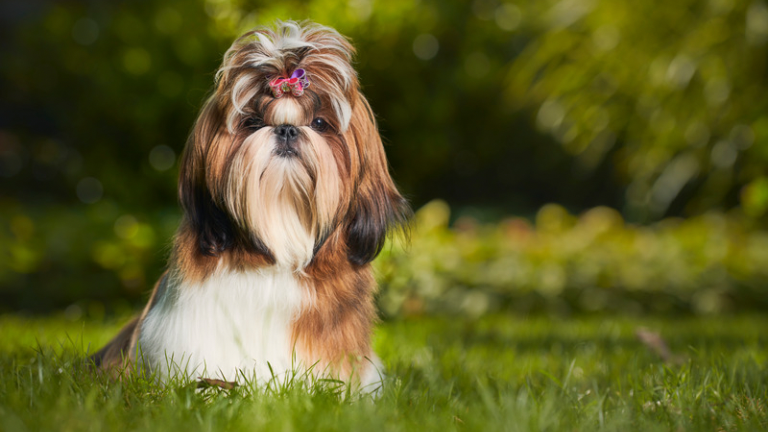
The Shih Tzu, whose name means "lion dog," is a charming little breed that was bred to be a companion.
- Size: Small (9-16 pounds)
- Coat: Long and silky
- Energy Level: Low
- Grooming Needs: High (daily brushing, regular professional grooming)
- Personality: Affectionate, playful, outgoing
While their grooming needs are higher than some other breeds on this list, Shih Tzus make up for it with their low exercise requirements and loving nature. If you keep their coat clipped short, maintenance becomes much easier.
6. Greyhound
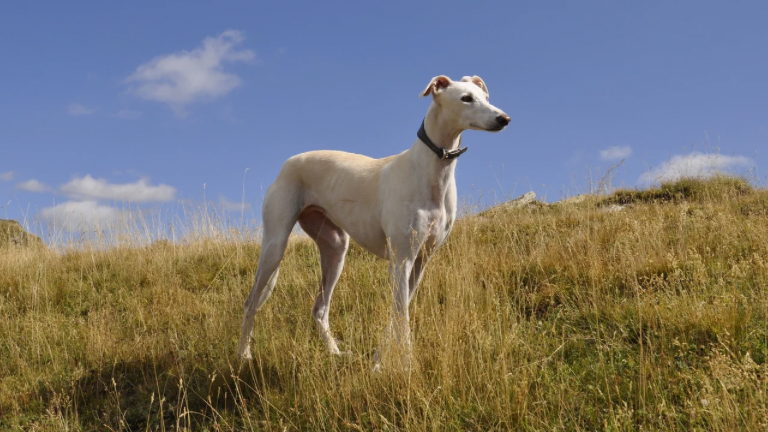
Surprised to see a large breed on this list? Greyhounds are actually known as "40 mph couch potatoes"!
- Size: Large (60-80 pounds)
- Coat: Short and smooth
- Energy Level: Low (with short bursts of high energy)
- Grooming Needs: Minimal (occasional brushing and bathing)
- Personality: Gentle, quiet, sensitive
Despite their racing background, Greyhounds are typically calm and lazy at home. They're content with a daily walk and lots of naps. Their short coat is easy to maintain, making them surprisingly low maintenance for their size.
7. Pug

With their wrinkly faces and big personalities, Pugs are hard to resist.
- Size: Small (14-18 pounds)
- Coat: Short and smooth
- Energy Level: Low to moderate
- Grooming Needs: Moderate (weekly brushing, cleaning of facial wrinkles)
- Personality: Charming, mischievous, loving
Pugs are known for their comedic antics and love of food. They're great for first-time owners who want a dog with character. Just be aware that their flat faces can lead to some health issues, and they tend to shed more than you might expect.
8. Basenji
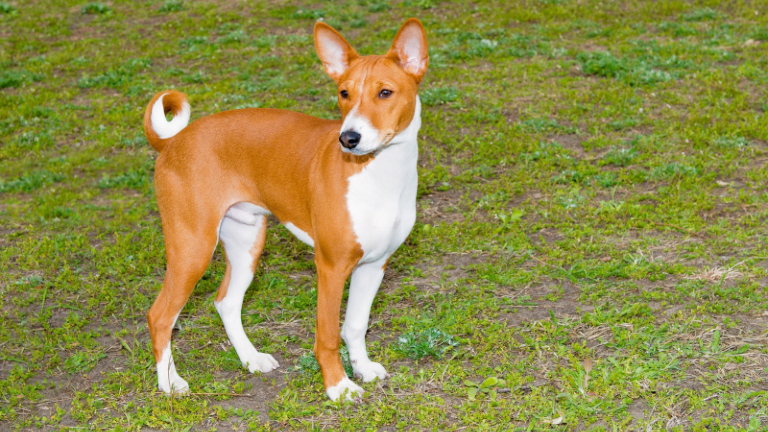
Known as the "barkless dog," the Basenji is a unique breed that's perfect for apartment dwellers or those who prefer a quieter pet.
- Size: Medium (22-24 pounds)
- Coat: Short and fine
- Energy Level: Moderate
- Grooming Needs: Minimal (occasional brushing)
- Personality: Independent, clever, aloof
Basenjis are known for their cat-like cleanliness and low odor. They're independent thinkers, which can make training a bit challenging, but they're generally easy to care for and don't require much grooming.
9. Dachshund
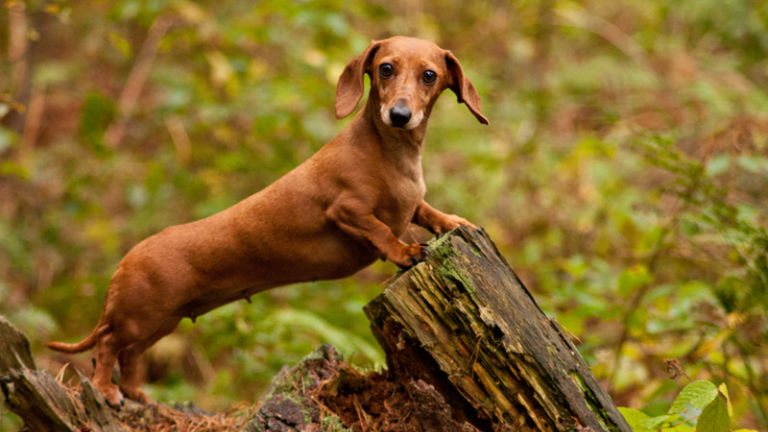
The lovable Dachshund, or "wiener dog," comes in both standard and miniature sizes.
- Size: Small to medium (16-32 pounds for standard, under 11 pounds for miniature)
- Coat: Smooth, wire-haired, or long-haired
- Energy Level: Moderate
- Grooming Needs: Varies by coat type (minimal for smooth, more for long-haired)
- Personality: Clever, stubborn, devoted
Dachshunds are adaptable to various living situations and don't need much exercise beyond daily walks. They can be a bit stubborn, but their loyalty and charm make them wonderful companions.
10. Maltese

The Maltese is a tiny breed with a big heart, known for its silky white coat and gentle demeanor.
- Size: Small (under 7 pounds)
- Coat: Long and silky
- Energy Level: Moderate
- Grooming Needs: High (daily brushing, regular professional grooming)
- Personality: Sweet, playful, adaptable
While their grooming needs are higher, Maltese dogs are otherwise low maintenance. They're great for small spaces and don't need much exercise. Keeping their coat clipped short can significantly reduce grooming time.
Factors to Consider When Choosing Your First Dog
Choosing the right dog isn't just about picking the cutest face (though that's important too!). Here are some key factors to consider:
Lifestyle Compatibility
Think about your daily routine. Are you a homebody or always on the go? Do you work long hours? Choose a dog that fits your lifestyle to ensure both you and your new friend are happy.
Space Requirements
Consider your living space. While most of these breeds are suitable for apartments, some (like Greyhounds) might appreciate a bit more room to stretch their legs.
Activity Level
Be honest about how much exercise you're willing to provide. Even low maintenance dogs need some activity to stay healthy and happy.
Grooming Needs
Factor in the time and potential costs of grooming. Some breeds require professional grooming, while others just need a quick brush now and then.
Training and Socialization
All dogs need training and socialization, but some breeds are easier to train than others. Consider how much time and patience you have for training.
Tips for First-Time Dog Owners
Bringing home your first dog is exciting, but it can also be overwhelming. Here are some tips to help you get started:
Preparing Your Home for a New Dog
- Dog-proof your space: Remove hazards and secure loose items.
- Get essential supplies: Food, bowls, bed, crate, toys, leash, and collar.
- Create a safe space: Set up a quiet area where your dog can retreat when needed.
Basic Training Techniques
- Start with the basics: Focus on commands like "sit," "stay," and "come."
- Use positive reinforcement: Reward good behavior with treats and praise.
- Be consistent: Use the same commands and rules across all family members.
Establishing a Routine
- Set regular meal times: This helps with house training and overall behavior.
- Create a walk schedule: Consistent exercise times help your dog know what to expect.
- Plan for playtime: Regular play keeps your dog mentally stimulated and strengthens your bond.
Common Mistakes to Avoid
- Skipping the vet: Regular check-ups are crucial for your dog's health.
- Inconsistent training: Mixed messages can confuse your dog and hinder progress.
- Overlooking socialization: Exposing your dog to various people, animals, and situations is key to developing a well-rounded pet.
Frequently Asked Questions (FAQs)
What is considered a low maintenance dog?
A low maintenance dog typically has minimal grooming needs, moderate to low exercise requirements, an easygoing temperament, and fewer health issues. These dogs generally require less time, effort, and financial investment in their daily care.
How do I choose the right dog for my lifestyle?
Consider your living situation, work schedule, activity level, and grooming preferences. Research different breeds and their needs, and try to meet some dogs in person if possible. Don't hesitate to consult with a veterinarian or professional dog trainer for advice.
Are low maintenance dogs suitable for families with children?
Many low maintenance breeds are great with kids, but it's important to consider the individual dog's personality and your children's ages. Always supervise interactions between dogs and young children, and teach kids how to respect and safely interact with dogs.
What are the grooming needs of low maintenance breeds?
While it varies by breed, most low maintenance dogs require minimal grooming. This might include weekly brushing, occasional baths, and regular nail trims. Some breeds with longer coats may need professional grooming every few months.
How much exercise do low maintenance dogs require?
Exercise needs vary, but most low maintenance breeds are satisfied with daily walks and some playtime. However, all dogs benefit from regular exercise for their physical and mental health. Consult with your vet about the appropriate amount of exercise for your specific dog.
Conclusion: Finding Your Perfect Companion
Choosing your first dog is a big decision, but it's also an incredibly rewarding one. Low maintenance breeds offer a great entry point into the world of dog ownership, providing all the love and companionship with a bit less of the work.
Encouragement to Research and Meet Breeds
While this guide gives you a great starting point, nothing beats meeting dogs in person. Visit local shelters, attend dog shows, or connect with breed-specific rescue organizations to interact with different breeds and find your perfect match.
Final Thoughts on Dog Ownership for Beginners
Remember, every dog is an individual. While these breeds are generally considered low maintenance, each dog will have its own personality and needs. Be prepared for the commitment of dog ownership, but also for the immeasurable joy and love that comes with it.
Bringing a dog into your life is a journey filled with tail wags, wet kisses, and unforgettable memories. With the right preparation and a low maintenance breed by your side, you're setting yourself up for a wonderful adventure in pet parenthood. Happy dog hunting!


